
What are the common problems on home lifts?
Home elevators, as a frequently used vertical transportation equipment within residences, are designed for safety and reliability. However, common malfunctions may still occur during prolonged use. Below is a systematic overview of these issues along with corresponding inspection and troubleshooting methods:
Common Malfunction Types and Troubleshooting:
1. Door Safety Switch Failure (Most Common)
- Symptom: Elevator still moves if the cabin door not closed (safety circuit failure).
Potential Reasons:
- Elevator door safety switches are damaged or short circult.
2. Abnormal Operation
- Symptom: Vibration or unusual noises during operation, inaccurate leveling (platform stops height not at same level with landing floor surface), suddenly stops.
Troubleshooting:
- Insufficient guide rail lubrication, oil contamination, or installation inaccuracies.
- Unstable traction machine or hydraulic system operation.
- Uneven tension or wear in steel ropes.
- Abnormal parameters in the frequency converter or control system.
- Leveling sensor switch is not on correct place.
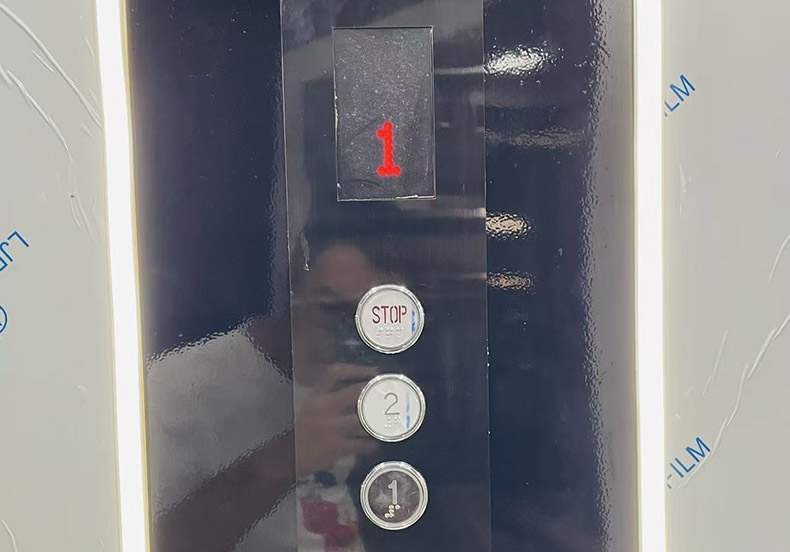
3. Electrical Control System Malfunctions
- Symptoms: Button failure (no response to call buttons inside/outside), incorrect floor display or blank screen, lighting malfunction, elevator automatically returning to base station or random floor selection.
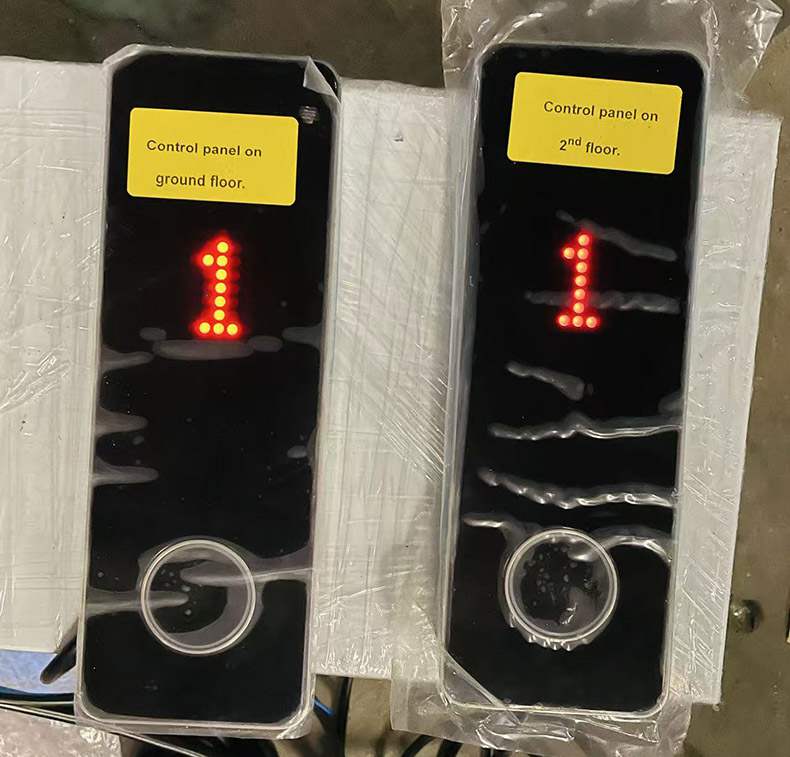
Troubleshooting:
- Aged or damaged components on control boards or circuit boards.
- Poor contact or damage to buttons.
- Loose, damp, or shorted wiring connections.
- External power outage or circuit breaker trip.
4. Safety Protection Device Activated.
- Failure Symptoms: Elevator suddenly stops and cannot operate.
Troubleshooting:
- Safety gear activated: When elevator speed abnormally increases, mechanical safety devices activate, clamping the car against the guide rails.
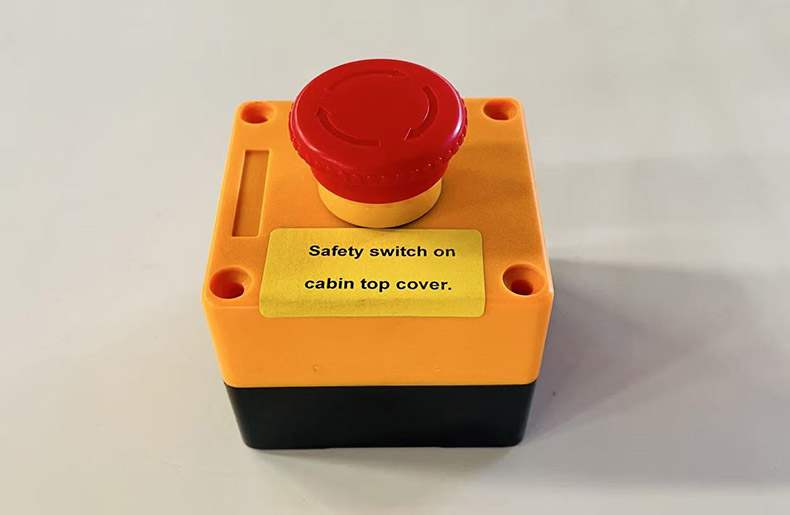
- Pit/roof emergency stop switch activated: the stop switch may failure to reset after maintenance.
What should we do?
1. Emergency Response Principles:
- Stay Calm: Elevator stoppages are typically triggered by safety mechanisms, and the car still safety for user.
- Use Emergency Devices: Try to contact and get outside assistance—this is the safest and most effective method for summoning help.
- Await Rescue: Don’t forced open car doors or attempt escape through the top, as this risks falling or being crushed. Patiently await professional rescue personnel.
If Trapped: Family members should immediately press the emergency descent button (located on the main control panel) to lower the car to the lowest floor.
2. Daily Use and Preventive Maintenance:
- Proper Usage: Avoid overloading, slamming doors, jumping inside the car, or obstructing door closure for extended periods.
- Maintain Cleanliness: Regularly clean the car interior and door sills to prevent dust and debris from entering crevices.
- Regular Maintenance: Periodically inspect all components of the home elevator. Check for cracks in the drive belt, loose nuts, proper lubrication of guide rails, and ensure all control system contactors are functioning correctly.
- Monitor Abnormalities: Immediately notify maintenance personnel upon detecting minor anomalies such as unusual noises, vibrations, or inaccurate leveling to prevent potential issues.
- Power Supply Assurance: Ensure stable household electricity supply. Consider disconnecting power during extended absences, but verify the elevator passes self-check after power restoration.
Interested in a home lifts quote? Contact us for a free consultation!