
DIY Home Elevator Costs and Methods: What Homeowners Should Know
Home elevators have become increasingly common as homeowners look for ways to improve accessibility, aging-in-place comfort, and property value. As traditional residential elevators can be expensive, some homeowners begin researching DIY home elevator options in hopes of cutting costs.
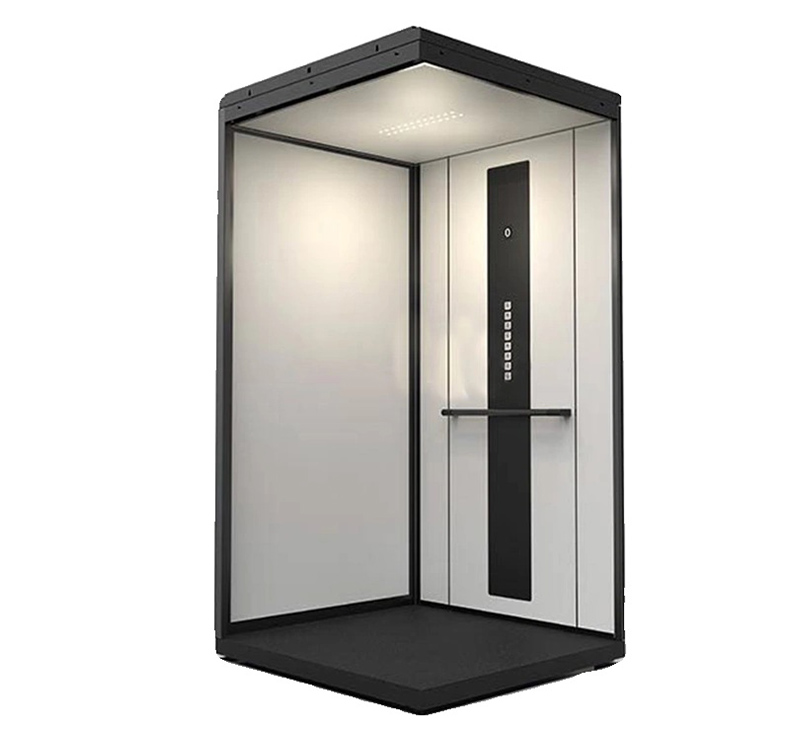
However, building a home elevator yourself—especially one intended to lift people—comes with serious safety, code-compliance, and liability concerns. This article explores what “DIY home elevators”realistically mean, the true costs involved, safer alternatives, and the methods people typically consider when trying to reduce expenses.
Our goal is to help you understand your options in a practical and safe way, while following up-to-date Google-compliant content guidelines.
Watch The Home Elevator DIY Feedback Video From Customer
What “DIY Home Elevator” Really Means
When people search for “DIY home elevator” they may imagine building a complete elevator system from scratch. In reality, constructing a person-lifting device without professional engineering is unsafe and typically illegal, as most countries require elevators to meet strict safety and building-code standards.
So, in the residential market, a “DIY home elevator” typically refers to:
-
Partial DIY installation
Homeowners perform non-technical tasks (such as minor carpentry, finishing work, or preparing the space) while licensed professionals install the elevator machinery. -
Pre-engineered lift kits
These are rare for people-carrying devices but more common for cargo lifts or dumbwaiters. Some homeowners attempt to repurpose them, but this is not recommended. -
Alternative devices
Such as stair lifts, vertical platform lifts (VPLs), or shaftless elevators, which often require less construction and may support limited DIY participation.
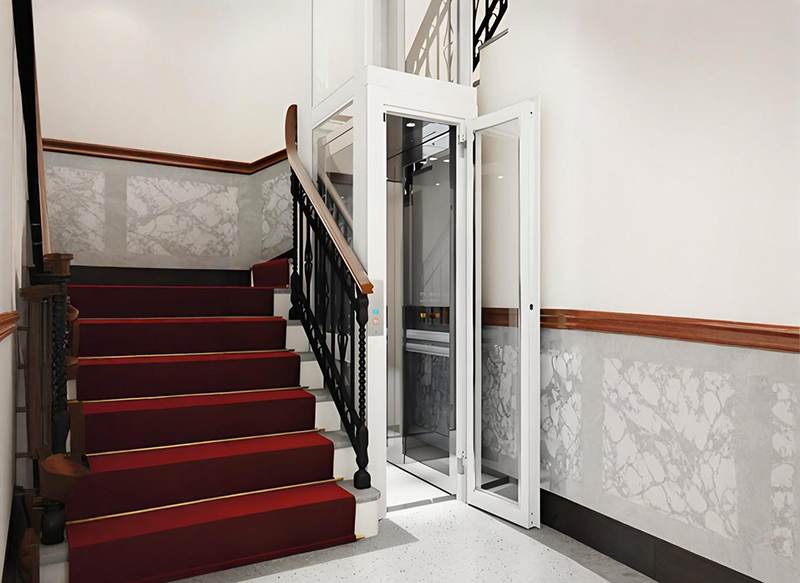
Understanding these distinctions helps set realistic expectations for cost and feasibility.
Cost Breakdown: DIY vs. Professionally Installed Home Elevators
Because residential elevators must meet safety requirements, fully DIY builds are not feasible. But semi-DIY projects—where you handle preparation work and hire pros for installation—can reduce costs by 10–25%.
Below is an overview of typical price ranges in the U.S.:
1. Traditional Shafted Home Elevator
-
Professionally installed: $25,000–$60,000+
-
Semi-DIY (home prep only): $20,000–$50,000
-
Major cost drivers:
-
Shaft construction
-
Machine room requirements (for some models)
-
Electrical upgrades
-
Permits and inspections
-
2. Shaftless Home Elevator (most common for DIY-minded homeowners)
-
Professionally installed: $18,000–$35,000
-
Semi-DIY: $5,000–$10,000
-
These models require minimal structural changes, making them appealing to DIY audiences.
3. Pneumatic Vacuum Elevators (PVE)
-
Installed cost: $35,000–$60,000
-
Semi-DIY savings: limited—most manufacturers require certified installation
-
No shaft or machine room required
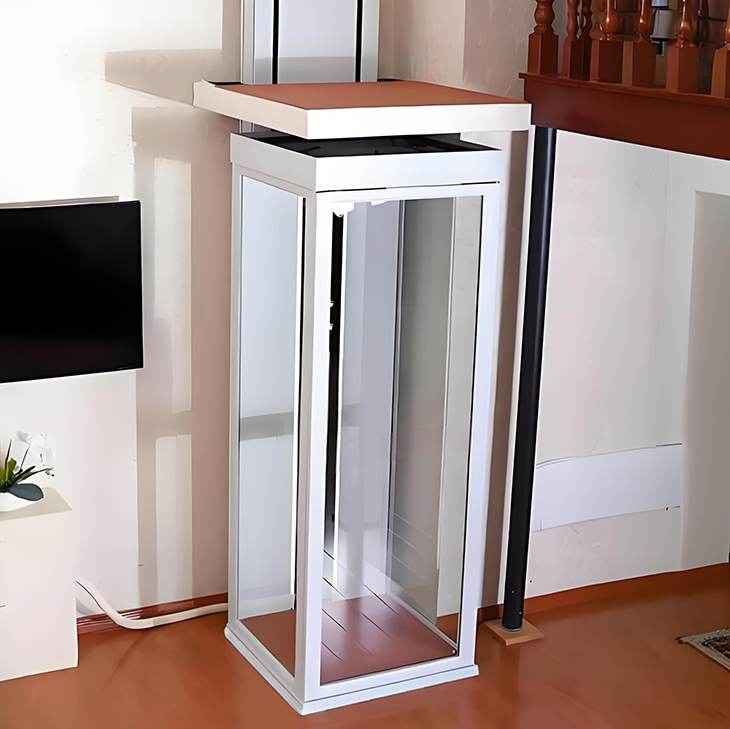
4. Vertical Platform Lifts (VPLs)
-
Cost: $3,000–$5,000
-
Typically used for wheelchair access and often easier for homeowners to prepare the site for
If You Want a DIY-Friendly Approach, Consider These Methods
1. DIY the Preparation Work (Safest Method)
You can reduce elevator costs by performing or hiring cheaper labor for:
-
Framing or drywall demolition
-
Creating the opening between floors
-
Clearing electrical pathways (done by a licensed electrician)
-
Building or reinforcing the shaft according to engineered drawings
This approach can save 10–25% of total project cost while keeping all safety-critical components professionally handled.
2. Choose a Shaftless Home Elevator (Minimal Construction Required)
Shaftless elevators are compact and usually travel one floor. They require:
-
A floor cutout
-
Basic structural reinforcement
-
Standard household electrical supply
This is the #1 option homeowners choose when seeking something “DIY-friendly” without compromising safety.
3. Install a VPL (Vertical Platform Lift)
Although not classified as elevators, VPLs are:
-
Simpler mechanically
-
Often installed in garages or exterior settings
-
Less expensive
-
Easier for homeowners to prepare the site for
For wheelchair users, a VPL offers functionality at a fraction of the cost.
Hidden Costs DIY Home Elevator Shoppers Often Overlook
Even if you attempt partial DIY, these costs still apply:
1. Permits and Inspections
Local authorities typically require:
-
Structural plans
-
Electrical permits
-
Elevator operation permits
-
Final inspection before use
Budget $500–$3,500 depending on region.
2. Electrical and Structural Modifications
Expect expenses for:
-
Dedicated circuits
-
Load-bearing reinforcement
-
Cutouts for shaft or floor openings
Typical cost: $1,500–$10,000 depending on home structure.
3. Maintenance Requirements
Most residential elevators require:
-
Annual or bi-annual service
-
Safety tests
-
Replacement parts over time
Budget $300–$800 per year.
So, How Much Does a DIY-Style Home Elevator Really Cost?
Here is a realistic total range including partial DIY work:
| Elevator Type | Typical Total Cost (Semi-DIY) |
|---|---|
| Shaftless elevator | $5,000–$10,000 |
| Traditional shaft elevator | $20,000–$50,000 |
| VPL | $3,000–$5,000 |
| Pneumatic elevator | $35,000–$55,000 |
These numbers represent safe, legal installation pathways while still allowing homeowners to reduce some expenses.
Final Thoughts: DIY Home Elevators Require Caution—but Cost Savings Are Still Possible
DIY-minded homeowners can absolutely save money when installing a home elevator—as long as DIY involvement is limited to non-technical tasks. The mechanical and electrical components must be installed by licensed professionals to meet safety codes and pass inspections.
The best options for homeowners looking to reduce costs without compromising safety include:
-
Choosing shaftless elevators
-
Preparing the construction site yourself
-
Considering vertical platform lifts or stair lifts as alternatives
By understanding the realistic costs and safe methods, you can make an informed decision and find the most affordable, code-compliant elevator solution for your home.
Interested in DIY a shaftless home elevator quote? Contact us for a free consultation!