02 Dec 2025

Cargo Lift Elevator: The Reliable Solution for Efficient Material Handling

A Cargo Lift Elevator is an essential lifting solution for warehouses, factories, workshops, logistics centers, and commercial buildings. Designed specifically for vertical transportation of goods, it provides a safe, efficient, and cost-effective alternative to traditional cargo handling methods. With strong load capacity and stable hydraulic lifting systems, cargo lift elevators have become the preferred choice for businesses looking to improve workflow efficiency and ensure safety.


What Is a Cargo Lift Elevator?

A Cargo Lift Elevator—also known as a hydraulic cargo lift, freight elevator, or goods lift—is a vertical lifting platform used to move materials between different floors. It is built with heavy-duty steel structure, hydraulic cylinders, guide rails, and a secure platform to handle various cargo sizes and weights.

Key Features

  • Strong load capacity ranging from 300 kg to 10,000 kg

  • Smooth hydraulic lifting system

  • Safe and stable vertical movement

  • Custom platform size and travel height

  • Optional mesh enclosure, doors, and interlock systems

  • Low maintenance and energy-efficient design


Why Choose a Cargo Lift Elevator?

1. High Efficiency & Labor Savings

Using a cargo lift elevator significantly reduces manual handling time. Businesses can move goods between floors within seconds, improving workflow speed and reducing labor costs.

2. Safe and Stable Performance

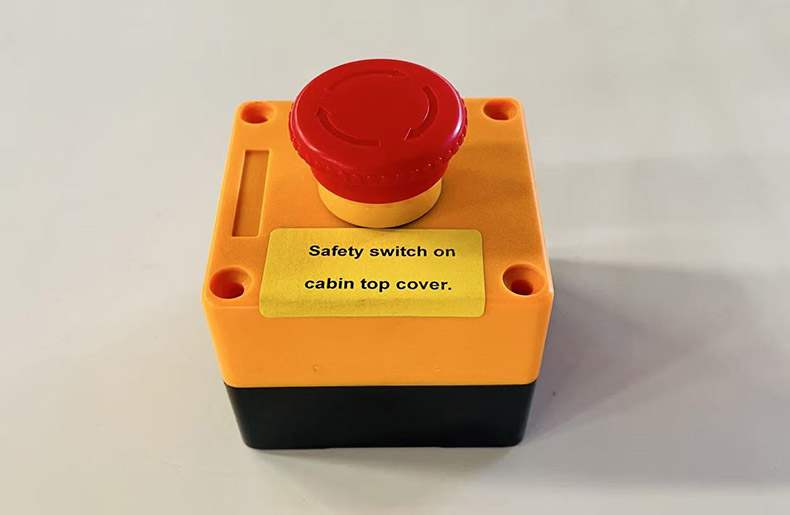
Equipped with safety lock, emergency stop, anti-falling device, overload protection, and non-slip platform, the lift ensures maximum safety during operation.

3. Customizable to Your Building

Cargo lift elevators can be fully customized:

  • Platform dimensions

  • Load capacity

  • Travel height

  • Door opening direction

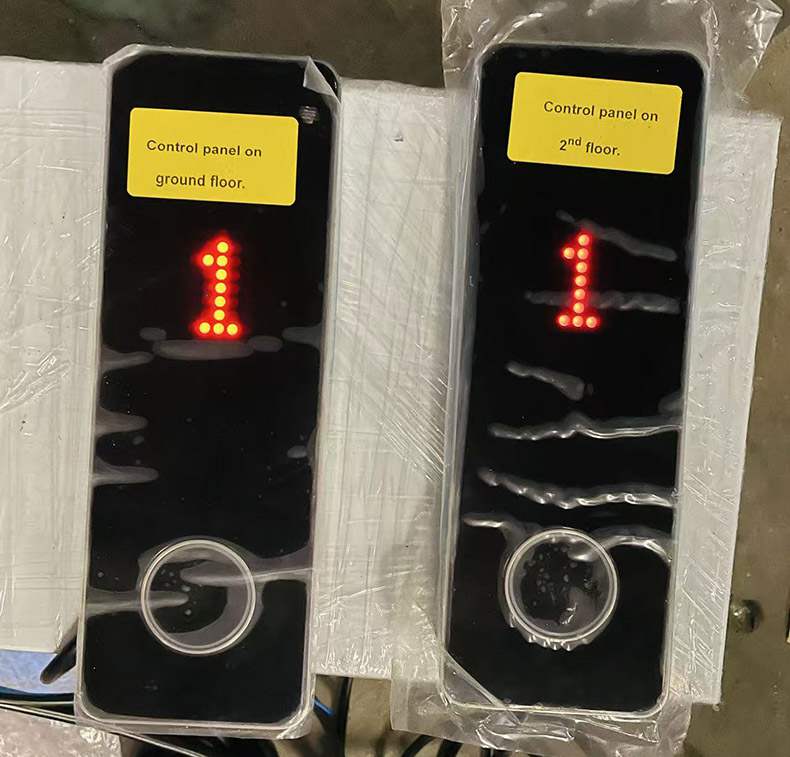
  • Control panel configuration

  • Safety enclosure and mesh gates

This makes them ideal for warehouses, mezzanine floors, factories, and multi-level storage areas.

4. Lower Cost Than Traditional Elevators

Compared to heavy-duty commercial elevators, hydraulic cargo lifts are:

  • Easier to install

  • More affordable

  • Less complex in structure

  • Cheaper to maintain

They do not require a machine room or deep pit, making installation flexible and cost-effective.


Common Applications

Cargo lift elevators are widely used in:

  • Warehouses and logistics centers

  • Manufacturing plants

  • Auto parts workshops

  • Supermarkets and retail stores

  • Food processing facilities

  • Multi-floor storage buildings

  • Factories with mezzanine levels

Wherever vertical goods movement is needed, a cargo lift elevator offers the perfect solution.


Types of Cargo Lift Elevators

1. Hydraulic Cargo Lift

Stable, powerful, and suitable for heavy-duty lifting.

2. Guide Rail Cargo Lift (Vertical Platform Lift)

Designed for high travel heights with smooth and safe performance.

3. Warehouse Cargo Lift

Built for high-frequency industrial use with large platform size.


How to Choose the Right Cargo Lift Elevator

Before purchasing, consider the following requirements:

  • Maximum load capacity

  • Lifting height (floor-to-floor distance)

  • Platform size

  • Frequency of use

  • Installation space and structural conditions

  • Safety features needed

A professional supplier can customize the lift based on your exact needs.


Conclusion

A Cargo Lift Elevator is a smart investment for any business that needs efficient, safe, and cost-effective vertical goods transportation. With customizable options, strong hydraulic systems, and long service life, it greatly improves productivity while reducing labor intensity and operational risks.

If you’re planning to upgrade your warehouse or factory, a cargo lift elevator is one of the most practical and valuable solutions available.

Share this
02 Dec 2025
01 Dec 2025
30 Nov 2025
29 Nov 2025

How Much Will a Home Elevator Cost?

How Much Will a Home Elevator Cost? A Comprehensive 2025 Guide

For homeowners planning for aging in place, seeking to add convenience, a home elevator is an increasingly attractive solution. 

It promises freedom of movement between floors and a significant upgrade in quality of life. 

But one of the first and most critical questions that arises is: How much does a home elevator actually cost?

The answer isn’t a single number. The final price tag is influenced by a combination of factors, including the type of elevator, your home’s layout, 

and the level of customization. This guide will break down all the cost components, supported by data from industry experts and authoritative sources, 

to help you budget for this important investment.

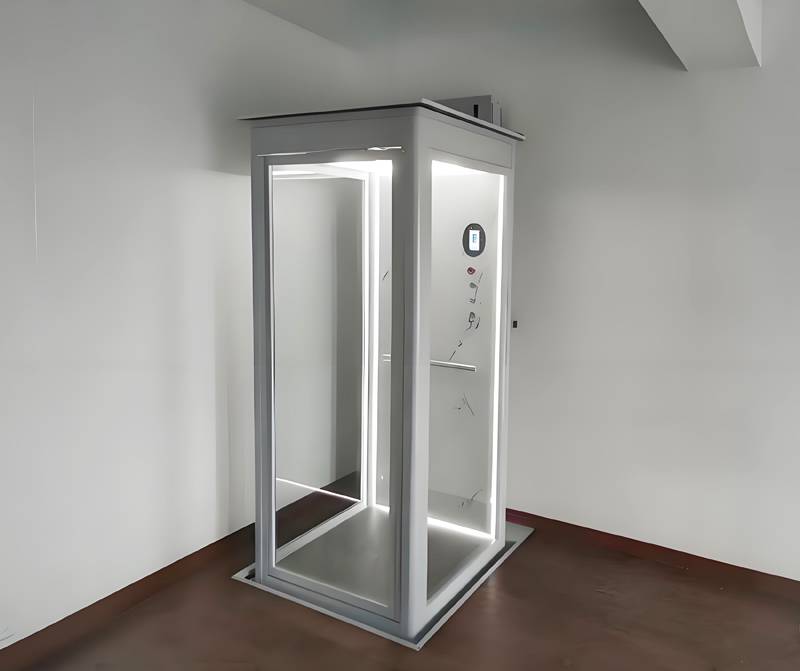
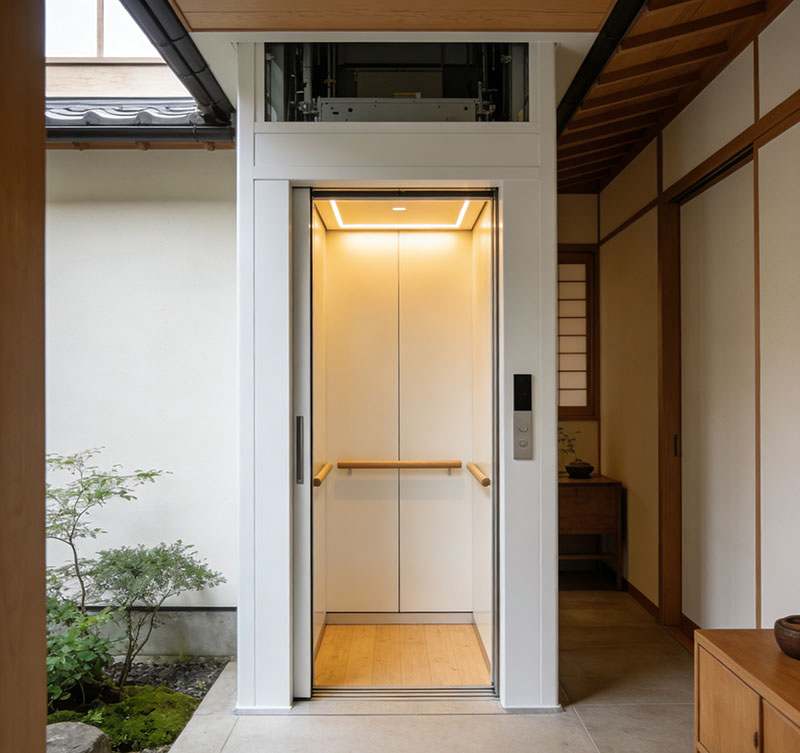
a white home elevator lift installed inside a modern room with wooden floor.

Home Elevator Cost at a Glance

According to HomeAdvisor, a leading platform for home service cost data, the national average cost to install a home elevator ranges between $5,000 and $15,000

However, this is a broad spectrum. A basic lift for two stories might start around $5,000, while a high-end, custom-built elevator for multiple floors can exceed $15,000.

Key Factors That Determine Your Final Cost

To understand your specific price, you need to consider these four primary cost drivers.

1. Type of Home Elevator (The Biggest Cost Factor)

The technology you choose has the most significant impact on your budget. The three main types are:

  • Pneumatic Vacuum Elevator: A modern, space-age option that uses air pressure to move a cab within a transparent tube. It requires no hoistway or machine room, making installation less invasive.

    • Cost Range: $20,000 – $55,000

    • Pros: Sleek design, minimal construction needed, relatively quick installation.

    • Cons: Limited capacity ( about 440 Lbs) and speed, can be noisy.

  • Cable-Driven Hydraulic Elevator: The most traditional type, powered by a hydraulic piston that pushes the elevator upward. It’s known for its smooth ride and ability to carry heavier loads.

    • Cost Range: $5,000 – $10,000+

    • Pros: Powerful, smooth ride, can handle more weight (880 Lbs ). Much cheaper cost.

    • Cons: uses more energy and need hydraulic oil.

  • Screw-Driven Elevator (or Winding Drum): Operates using a screw or worm gear that turns to lift and lower the cab. This is a compact and highly safe system, as it cannot free-fall.

    • Cost Range: $20,000 – $55,000

    • Pros: Very safe, space-efficient, no hydraulic oil required.

    • Cons: Slower operating speed than other models and very expensive.

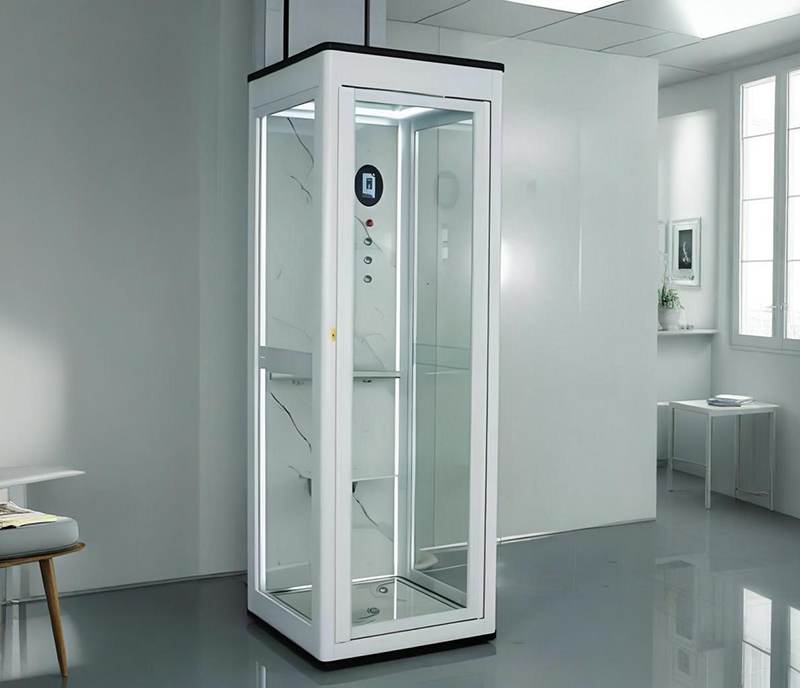
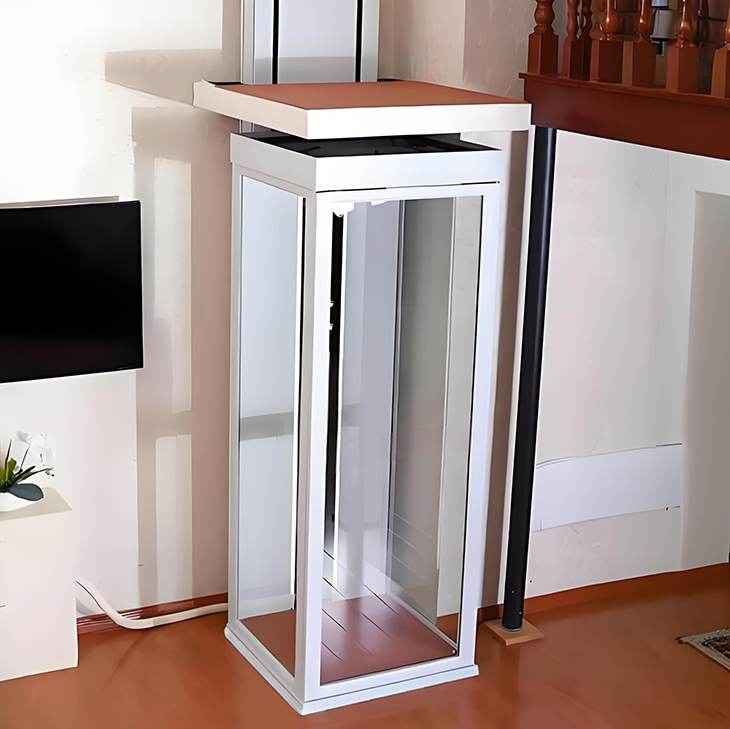
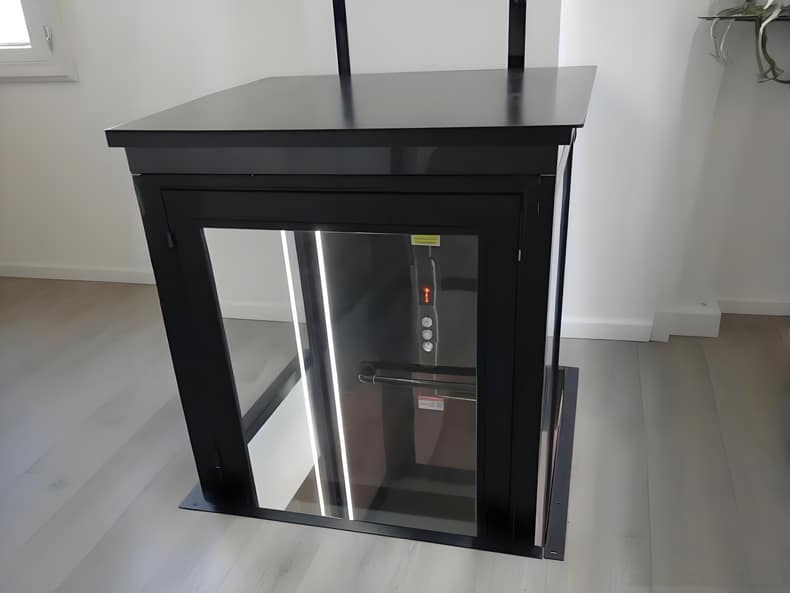
a white shaftless home lift with glass panel

2. Number of Floors and Travel Distance
This is straightforward: the more floors the elevator serves, the higher the cost. Each additional stop requires more materials, labor, and complex engineering. 

Adding a third floor to a two-story elevator installation can add $2,000 to $3,000 to the total cost. The total vertical distance the elevator must travel also directly impacts the price.

3. Customization and Finishes
An elevator can be a utilitarian device or a stunning design centerpiece. Customization options can significantly increase the price:

  • Cabin Interior: Choices range from basic laminate to premium hardwoods, glass, stainless steel, or custom upholstery.

  • Door Style: Standard manual swing doors are less expensive than automatic, folding, or panoramic doors.

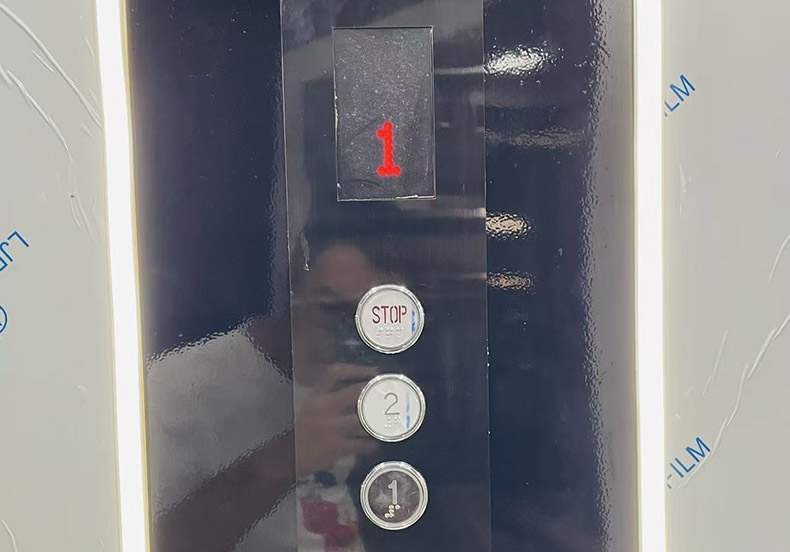
  • Control Systems: Basic buttons vs. touchscreen panels.
    These aesthetic upgrades can easily add $1,500 to $2,500 or more to the base price.

3 different kinds of elevator control panel.

4. Installation and Home Modification Costs
Installation is not just labor; it encompasses the entire process of integrating the elevator into your home’s structure.

  • Structural Modifications: Does your home need new footings, reinforced walls, or a dedicated shaft? Retrofitting an elevator into an existing home is typically more expensive than building one into a new construction.

  • Electrical Work: A home elevator requires a dedicated circuit.

  • Permits and Inspections: Virtually all localities require a building permit for elevator installation to ensure it meets strict safety codes. These codes are often based on national standards like the ASME A17.1. Your local government’s building department is the ultimate authority.

  • Authority Reference: While federal agencies don’t set residential elevator prices, safety is paramount. The U.S. Consumer Product Safety Commission (CPSC) highlights the importance of product safety in the home. Furthermore, your local city or county .gov website will have the specific permit requirements and adopted codes.

The Hidden Costs: Maintenance and Operation

The purchase price is just the beginning. Consider these ongoing expenses:

  • Annual Maintenance Contract: Essential for safety and reliability, a professional service contract typically costs $400 to $1,000 per year. This covers regular inspections, lubrication, and adjustments.

  • Energy Consumption: Home elevators are relatively efficient, but their energy use will add to your electricity bill.

  • Insurance and Property Tax: Adding an elevator may increase your homeowner’s insurance premium and your property tax assessment due to the increased home value.


The “Why”: The Growing Demand for Aging in Place

Understanding the cost is also about understanding the value. The demand for home accessibility features is strongly driven by the desire of older adults to “age in place.” Research from the University of Michigan confirms this trend.

A poll from the University of Michigan National Poll on Healthy Aging found that a vast majority of people between 50 and 80 years old believe it is important to remain in their homes for as long as possible. A home elevator is a key modification that can make this goal a reality, preventing the need for costly assisted living facilities and supporting independent living.

Financial Planning and Next Steps

  1. Get Multiple Quotes: Contact at least three reputable, certified elevator dealers in your area for in-home assessments and detailed quotes.

  2. Verify Credentials: Ensure the installer is licensed, insured, and certified by the elevator manufacturer.

  3. Check Local Regulations: Visit your local building department’s .gov website to understand permit costs and requirements. Search for “[Your City Name] building permit department.”

  4. Explore Financing: Look into home equity loans, renovation loans, or financing programs offered by the elevator company.

Conclusion

Investing in a home elevator is a significant financial decision, with costs typically ranging from $5,000 to over $30,000. While the price tag is substantial, the return in terms of safety, independence, convenience, and potential property value increase can be immeasurable. By thoroughly researching your options, obtaining multiple detailed quotes, and understanding both the upfront and long-term costs, you can make an informed decision that enhances your home and quality of life for years to come.

Interested in a quote? Contact us for a free consultation!

(We will reply you within 24 hours)


Share this
29 Nov 2025
28 Nov 2025
27 Nov 2025

Why Choose a Residential Elevator?

A residential elevator or residential lift provides many benefits beyond simple convenience:

1. Improved Mobility & Accessibility

Ideal for seniors, people with disabilities, or families with children. A home lift elevator removes the barrier of stairs and improves daily safety.

2. Increased Property Value

Homes equipped with a home lift often achieve higher resale value, especially in modern, multi-floor properties.

3. Space-Saving Design

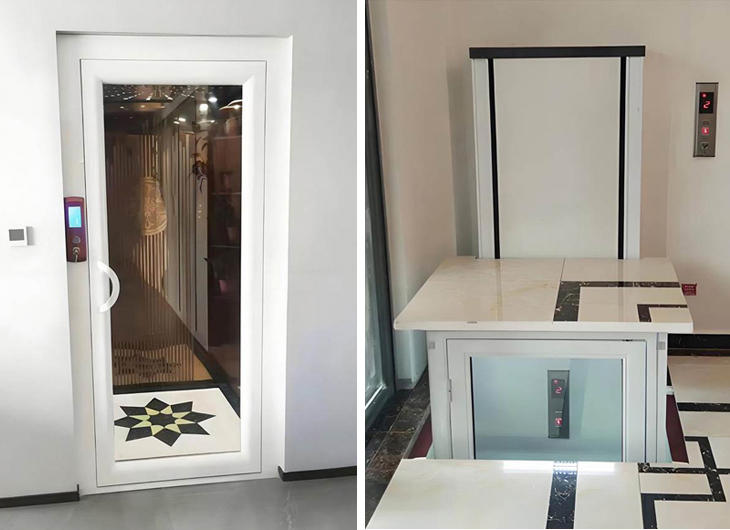
Compact models require minimal structural change. Some residential lifts do not need a machine room, shaft, or deep pit.

4. Modern Home Aesthetic

Glass cabins, smart control panels, and noise-free traction systems make the home elevator both functional and visually appealing.

Share this
27 Nov 2025

How Much Does a Home Elevator Lift Cost?

The home elevator lift cost varies widely depending on size, travel height, load capacity, materials, safety systems, and installation complexity.

Typical price ranges (for reference):

  • Standard home lift / residential elevator: $10,000 – $35,000

  • Premium house elevator price: $40,000 – $60,000+

  • Customized luxury home elevator: depends on design, finishes, and smart features

  • shaftless home elevator lift: $5000-$10,000

a white home elevator lift installed inside a modern room with wooden floor.

Besides the equipment, you must also consider:

  • Shaft construction or structural modifications

  • Electrical work

  • After-sales service & maintenance

When choosing a house elevator price, remember that a higher initial investment often means better comfort, quieter operation, and longer service life.

Interested in a affordable home elevator lift? Contact us for a free consultation!

(We will reply you within 24 hours)

Share this
27 Nov 2025

What Is a Home Elevator?

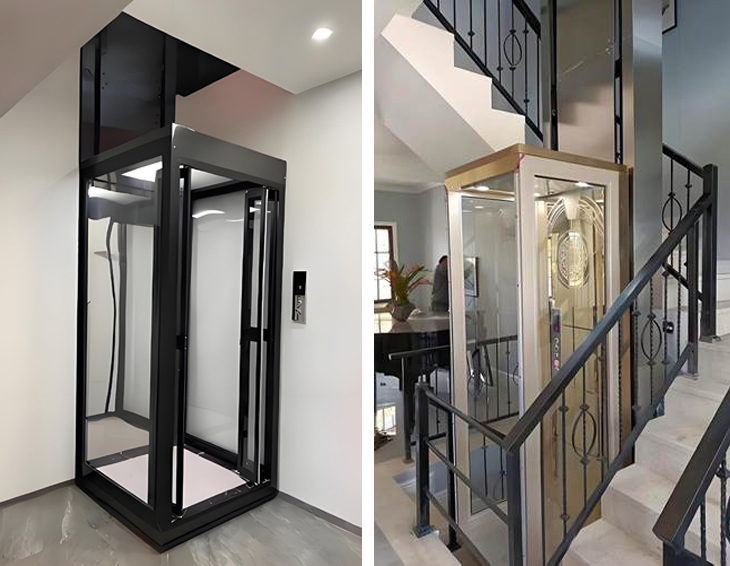
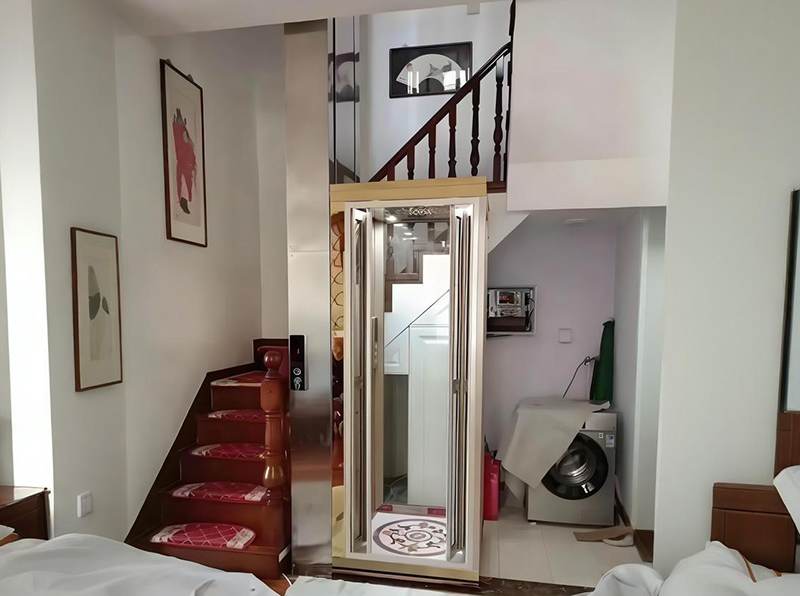
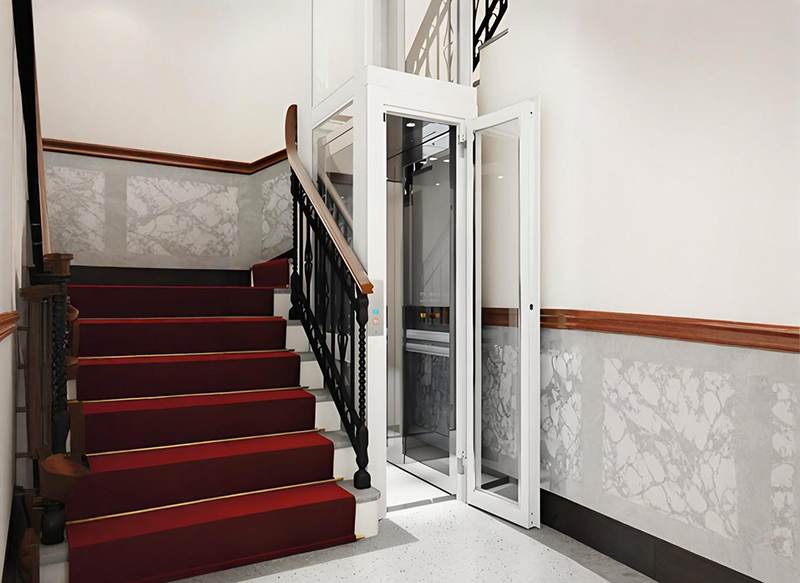
A home elevator is a compact lifting system designed specifically for residential use. Unlike commercial elevators, it requires less space, consumes less energy, and is customized for private homes. A home lift can be installed inside a staircase void, attached to a wall, or placed in any convenient corner of the house.

Common types include:

  • Hydraulic home lift

  • Traction residential lift

  • Screw-drive home elevator

  • Pneumatic vacuum elevator

  • Platform and wheelchair lifts

Each model has unique advantages depending on structure and budget.

Share this

© 2017 skyliftcc. All rights reserved.

Click Me