
Home Elevator For Seniors– Costs, Types, and Expert Safety Guides
Over 71% of older adults prefer to age in place rather than move into an assisted living facility (source: AARP / American Association of Retired Persons). You can install a home elevator which is specifically designed for older adults, costing between $10,000 and over $50,000, depending on the drive system and renovation work required. Compared to the average monthly fees for assisted living facilities (over $1,700–$3,700), a home elevator can pay for itself within 1 to 2 years, whilst increasing the home’s value by 10% to 25%. Let’s check e the most suitable elevators for senior‘s mobility, budget, and standard safety features.
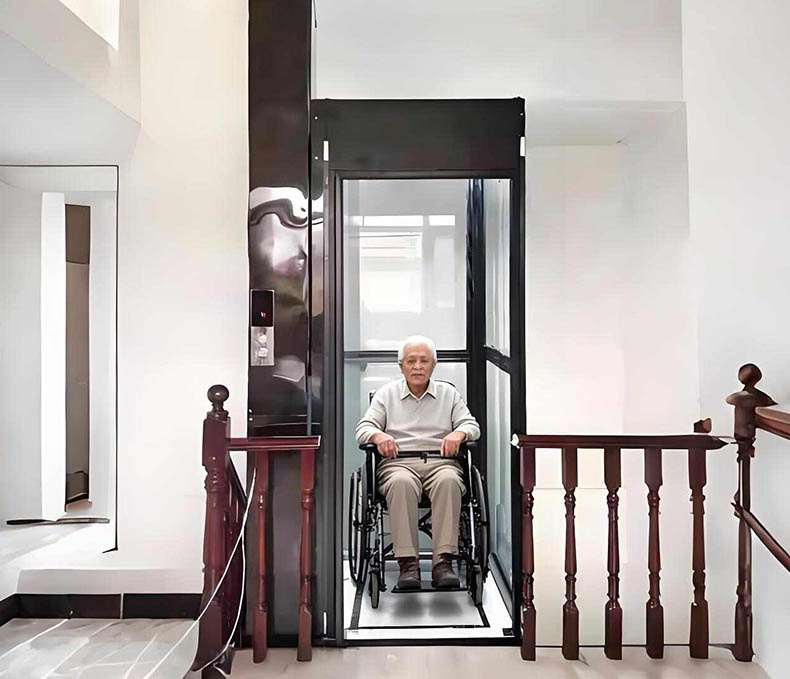
1. Why choose a home elevator to support seniors’ mobility?
Short answer: A home elevator eliminates the biggest safety hazard in an elderly person’s daily life—climbing stairs—support them to lives safety.
key point as following:
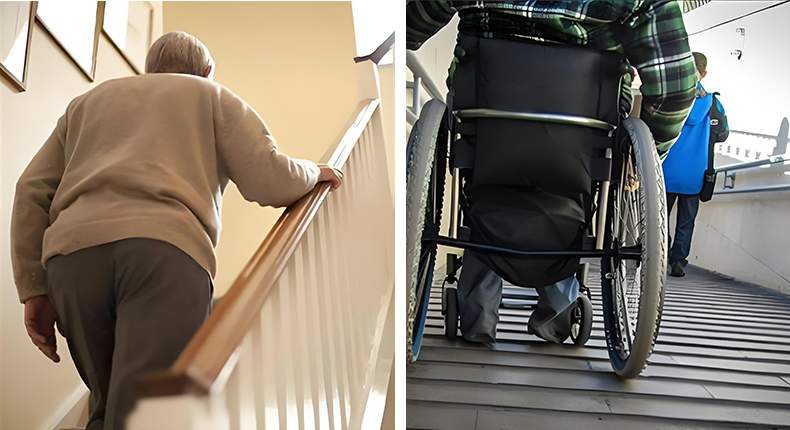
● Safety first: Eliminate falling risks associated with stairs, the leading cause of injury among seniors aged over 65.
● Property value increased: Data from the National Association of Realtors (NAR) shows that installing a home elevator can increase a home’s resale value by 10% to 25%.
● Future-use: Easily fit walking aid, wheelchairs and other heavy items.
2.What is the price of a home elevator for seniors?
Quick answer: The average cost for a senior home elevator ranges from $10,000 to over $50,000.
To help you plan your budget, here is a breakdown of costs and features verified by the National Association of Home Builders (NAHB) and modern manufacturing industry standards:
|
Elevator type |
Average cost ( installed ) |
Min Space Requirements |
Best For |
|
Shaftless/Pitless Elevator |
$10,000 – $15,000 |
31 x 40 inches |
Tight spaces, 2-3 floor travel. |
|
Pneumatic Vacuum Elevator |
$35,000–$50,000+ |
35×35 inches. |
Retrofit exist homes quickly |
|
Traction Elevator |
$25,000 – $45,000 |
47×55 inches. |
Luxury modern house |
Expert advice on hidden costs: In addition to the cost of the elevator itself, be sure to confirm with supplier if need any structure modifications in site (US$1,000–10,000) and annual maintenance costs.
3. Which elevator is best suited for older people?
Straight answer: For older people using wheelchairs or walking aids, most budget friendly model is shaftless and pitless through-the-floor elevator.
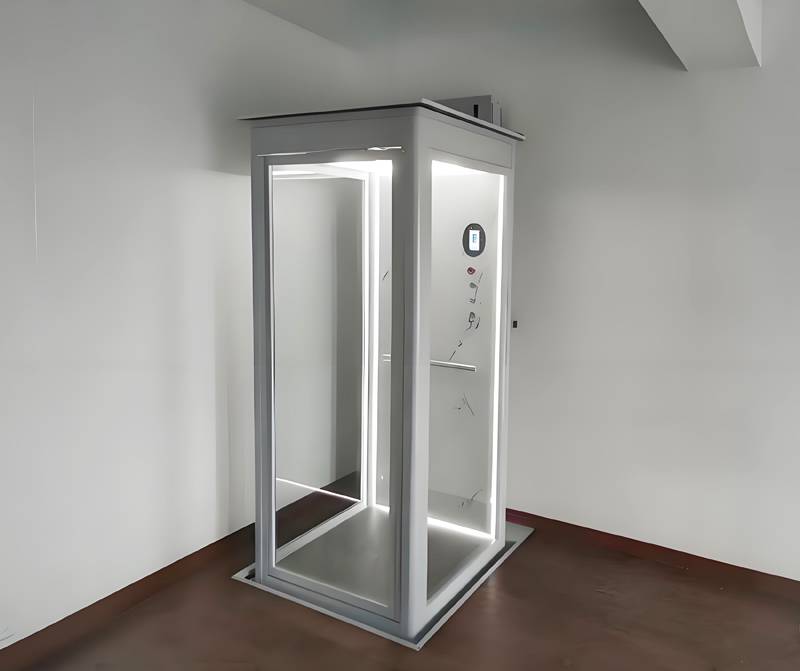
Below is a detailed analysis of the most popular home elevator configurations:
Shaftless, pitless through-the-floor elevator (ideal for small homes)
These elevators require no formal lift shaft or pit, operating through a simple ceiling opening between two floors.
● Advantages: Minimal impact on building structure, quick installation (takes just 2-3 days), and most affordable for money. Running smoothly with low noise about 60Db.
● Disadvantages: No enclosed glass shaft and no automatic sliding doors, seen not as luxurious.
Watch The Shaftless Home Elevator Feedback Video From our Customer
Five Essential Safety Features for a seniors elevator:
● Mechanical Braking Devices.
Regulatory requirement: Mechanical safety brakes must be fitted.
How it works: If driving cable breaks, the mechanical braking device physically engages to prevent the elevator from falling.
● Interlocking between Car Doors and Landing Doors.
Landing doors will not open until the car has arrived.
Regulatory Requirement: Car door and landing doors has interlocks with the elevator system.
How it works: The elevator can’t moves unless the car doors and landing doors are fully closed and locked. Also, the landing doors on a particular floor cannot be opened unless the car is actually stopped at that floor.
● Manual Lowering Device.
Code Requirement: In the event of a suddenly power failure, if the car is suspended in mid-floor, an additional manual lowing device must be equipped to lower the car to the lowest floor.
How it works: Open the manual lowering valve (applicable to hydraulic systems) to lower the car to the lowest floor.
● Emergency Backup Power for emergency descend.
Regulatory Requirements:If there is a power cut while using the elevator, it can be driven to the lower level of the home and will then wait until the power comes back on to resume normal service.
How it works: The emergency battery automatically activates when the main power supply fails, using the control system to lower the lift to the ground floor.
● Elevator Fault Detection and Voice Alerts.
Regulatory Requirements: In the event of a fault in the elevator system or safety device activated, the system can automatically detect the fault and issue a voice alert.
How it works: The elevator system can detect signals automatically and identify the corresponding faults.
Direct answer: When purchasing a residential elevator for the elderly,you must ensure that the system has sufficient safety redundancies so that elderly people can easily assess and deal with unexpected situations and malfunctions when using the elevator on their own, and never trapped inside.
Frequently Asked Questions (FAQ)
1. Does Medicare cover the cost of a home lift?
Answer: No, it can‘t.
Basic Medicare (Parts A and B) doesn‘t cover the cost of purchasing or installing a home elevator. Even if your doctor can write a prescription stating that a home elevator or stairlift is essential for your safety, Medicare will almost deny the claim.
Medicare classifies home elevators, vertical platform lifts, and stairlifts as home modifications rather than medical equipment. Because these device enhance its access mobility and resale value, Medicare views them as home improvements—not strictly“medically necessary”equipment. That is the point.
2. How long does it take to install a home lift?
Answer: Shaftless home lift require very little construction work and can be installed within 2-3 days. Some brands are using modular installation designs, normal skilled handyman can finished the installation, no need ask a professional elevator man.
3. How long is the lifespan of a home lift?
Answer: A high-quality home lift can last between 20 and 30 years with good annual maintenance. Some mechanical wear parts, such as cables in hydraulic models, should be inspected and replaced every 3-5 years.
Interested install a home elevator below $10k ? Contact us for a details quote!