
24 Aug 2026

Skystair Elevator:Best Residential Elevator Brands for Seniors

When evaluating the best residential elevator brands for seniors, we must check their space efficiency, budget and safety. Traditional hydraulic and traction elevators (like Savaria or Stiltz) offer classic performance, but Skystair has emerged as a top-rated choice for retrofitting aging-in-place homes. With its pitless, shaftless design, ultra-compact footprint (31.5″×39.4″), and affordable designs, Skystair allows seniors to maintain full home mobility without $20,000+ structural renovations.
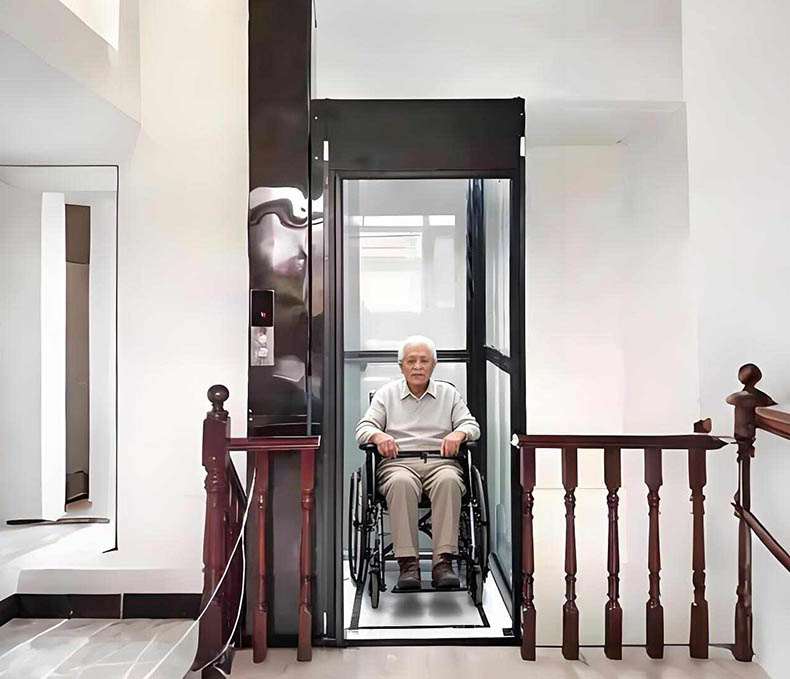
A black shaftless home elevator installed in a modern house

Below is an in-depth comparison of top senior-friendly home elevator brands, key advantages and space requirements, and why modern shaftless elevators are more recommended.

Quick Comparison: Top Home Elevator Brands for Seniors

Brand / Type

Ideal For

Min. Footprint Required

Estimated Cost (with Installation)

Key Advantage

Skystair (Shaftless elevator)

Small spaces, fast installation, customized size.

~31.5″×39.4″ (~0.8m²)

$9,500–$18,000

Pitless & shaftless, 2-3 days fast setup

 Savaria (Eclipse/Vuelift)

High-end luxury, full-wheelchair custom builds.

~42″×54″

$35,000–$60,000+

Heavy capacity, highly customizable cabin interiors

 Stiltz (Duo/Trio)

Dual-post shaftless vertical travel

~35″×41″

$28,000 – $40,000

Self-supporting dual-rail system, smooth electric drive


Why Skystair Stand Out for Senior Safety & Accessibility

When family senior older and mobility declines, clambing stairs becomes the major causes of home accidental injuries. The traditional stair lifts can only carry a person sitting down, not have enough capacity for carry other bigger tools, a dedicated vertical elevator accommodates mobility aids, oxygen tanks, or groceries alongside the senior.
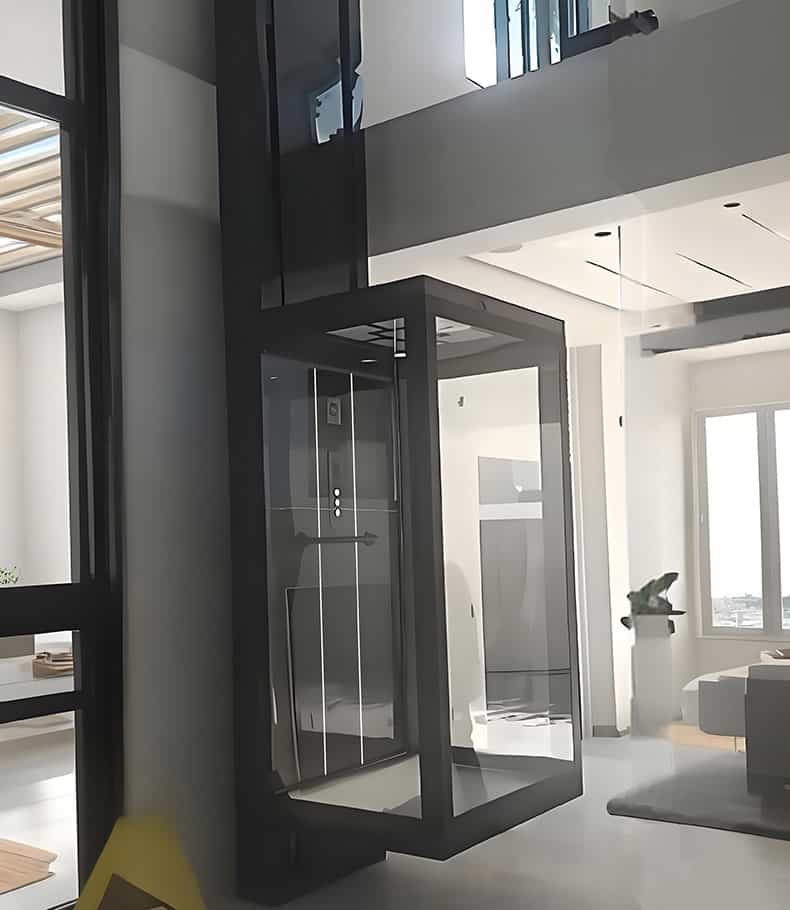
A black small home elevator installed inside a modern house.

1. Essential Safety Features for Older Adults

● Bottom Safety Pan : A safety pan under the platform, the elevator will stops immediately if the safety pan touched a pet, walker, child or foot beneath the cabin.

● Emergency Battery Backup: In the event of a power outage, the built-in UPS battery automatically lowers the lift safely to the ground floor so the senior is never trapped.

● Mechanical Safety Gear & Locks: Built according to international safety frameworks , interlocked landing doors prevent movement unless all doors are fully secured.

● Low Threshold Entry: Zero-pit or ultra-shallow ramp configurations eliminate tripping hazards when walking into the cabin.

2. Zero-Excavation “Pitless” Design

Traditional home elevators require digging a 6 to 12-inches concrete pit and constructing a drywall hoistway—which will extra cost thousands and occupy extra living space.

● Skystair eliminates concrete pit digging: The base anchors directly onto existing hardwood, tile, or concrete floors.

● Flexible retrofitting: Fits seamlessly inside a mid-staircase void, bedroom corner, or walk-in closet space.

Technical Specifications: Skystair Residential Lift At a Glance

● Max Load Capacity: 660 lbs – 880 lbs (300 – 400 kgs).

● Platform size: standard in 37”x37” or customized footprint.

● Operating Sound Level: ≤ 60 dB ( equal to our normal talking ).

● Power Requirement: Standard  220V household electricity outlet.  Max 14 Amps.

● Travelling Height: for 2-3 floors (Max 26 feet total travel).

● Cabin Material: Aluminum alloy frame with tempered glass.

● Required space for installation: Minimum can be 31.5”x39.4”.

Check How Customer say this lift:


How to Choose the Right Home Elevator for Aging in Place

When choosing between Skystair and other residential elevator brands, consider these 4 questions:

1. Do you require full wheelchair clearance?

○ If yes, ensure you select a larger size platform model (such as the Skystair Wheelchair VPL or a larger shafted elevator) rather than a single-person compact cab.

2. What is your structural modification budget?

○ If you want to keep overall home alteration costs under $20,000, modular shaftless systems like Skystair offer the lowest installation barrier.

3. How quickly do you need it installed?

○ Modular pre-assembled lifts can be installed by normal skilled worker within 2 to 3 days, compared to 3–6 weeks for traditional shaft construction.

4. Where is your ideal location for install the elevator?

         It can be beside your bedroom corner, on center of your stairs, inside your closet or cupboard.
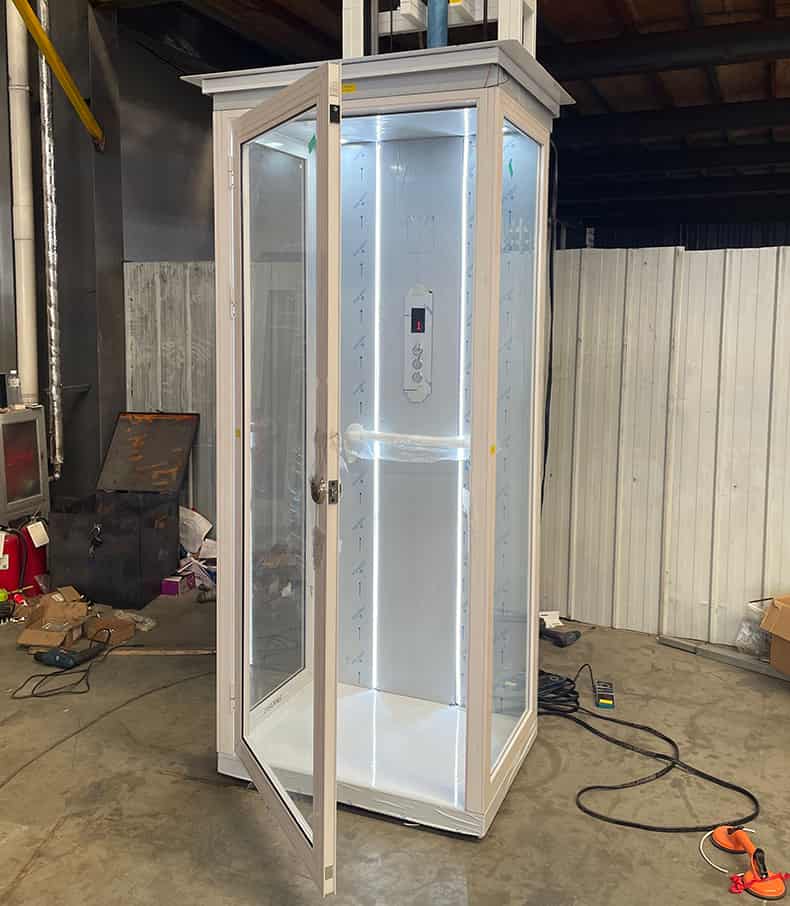
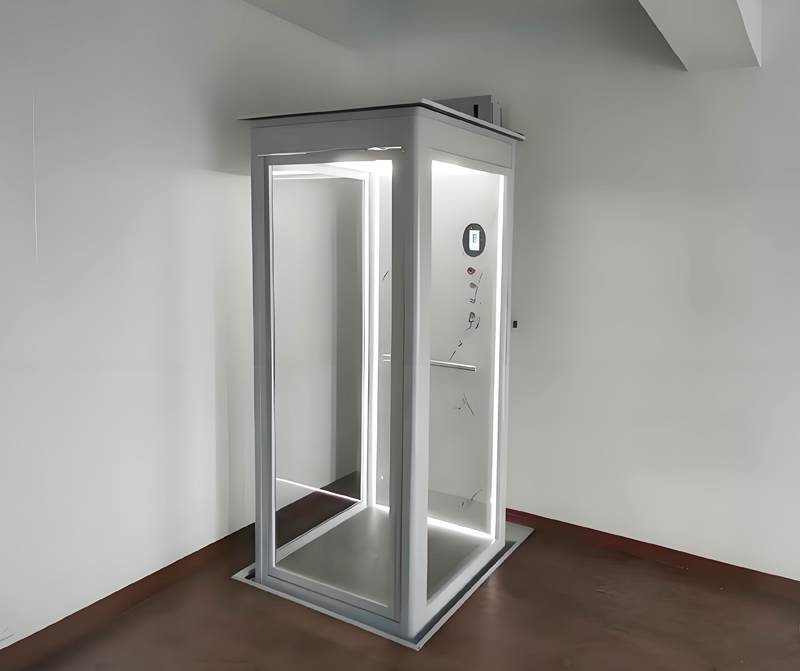
a white home elevator with a swing door opening

Final Verdict

If you are searching an affordable, durable home elevator for family seniors, Skystair elevators seems a good choice among the several elevator brands. To get a mostly accurate quote,  make sure you can provide them some measurements such as your house floor to floor height and the available space size for install the elevator.

  Interested install a small home elevator below $10k ? Contact us for a details quote!  
(We will reply you within 24 hours)

Share this
02 Jun 2026

Home Elevator For Seniors– Costs, Types, and Expert Safety Guides

Over 71% of older adults prefer to age in place rather than move into an assisted living facility (source: AARP / American Association of Retired Persons). You can install a home elevator which is  specifically designed for older adults, costing between $10,000 and over $50,000, depending on the drive system and renovation work required. Compared to the average monthly fees for assisted living facilities (over $1,700–$3,700), a home elevator can pay for itself within 1 to 2 years, whilst increasing the home’s value by 10% to 25%. Let’s check e the most suitable elevators for senior‘s mobility, budget, and standard safety features.

A black shaftless home elevator installed in a modern house

1. Why choose a home elevator to support seniors’ mobility?  

Short answer: A home elevator eliminates the biggest safety hazard in an elderly person’s daily life—climbing stairs—support them to lives safety. 

key point as following:

● Safety first: Eliminate falling risks associated with stairs, the leading cause of injury among seniors aged over 65.

● Property value increased: Data from the National Association of Realtors (NAR) shows that installing a home elevator can increase a home’s resale value by 10% to 25%.

● Future-use: Easily fit walking aid, wheelchairs and other heavy items.

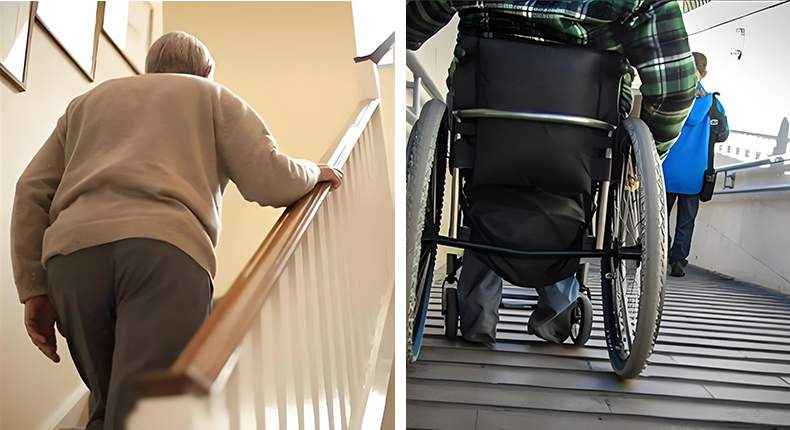
a senior and a wheelchair moves along with a staircase

2.What is the price of a home elevator for seniors?

Quick answer: The average cost for a senior home elevator ranges from $10,000 to over $50,000.

To help you plan your budget, here is a breakdown of costs and features verified by the National Association of Home Builders (NAHB) and modern manufacturing industry standards:

Elevator type

Average cost ( installed )

Min Space Requirements

         Best For

Shaftless/Pitless Elevator

       $10,000 – $15,000

        31 x 40 inches

Tight spaces, 2-3 floor travel.

Pneumatic Vacuum Elevator

       $35,000–$50,000+

        35×35 inches.

Retrofit exist homes quickly

Traction Elevator

       $25,000 – $45,000

        47×55 inches.

  Luxury modern house

Expert advice on hidden costs: In addition to the cost of the elevator itself, be sure to confirm with supplier if need any structure modifications in site (US$1,000–10,000) and annual maintenance costs.

   3. Which elevator is best suited for older people?   

   Straight answer: For older people using wheelchairs or walking aids, most budget friendly model is shaftless and pitless through-the-floor elevator.   

A shaftless home elevator installed in a 2 floor US townhouse.

Below is a detailed analysis of the most popular home elevator configurations:

Shaftless, pitless through-the-floor elevator (ideal for small homes)

These elevators require no formal lift shaft or pit, operating through a simple ceiling opening between two floors.

● Advantages: Minimal impact on building structure, quick installation (takes just 2-3 days), and most affordable for money. Running smoothly with low noise about 60Db.

● Disadvantages: No enclosed glass shaft and no automatic sliding doors, seen not as luxurious.

Watch The Shaftless Home Elevator Feedback Video From our Customer

   Five Essential Safety Features for a seniors elevator:   

● Mechanical Braking Devices.

Regulatory requirement: Mechanical safety brakes must be fitted.

How it works: If driving cable breaks, the mechanical braking device physically engages to prevent the elevator from falling.

● Interlocking between Car Doors and Landing Doors.

Landing doors will not open until the car has arrived.

Regulatory Requirement: Car door and landing doors has interlocks with the elevator system.

How it works: The elevator can’t moves unless the car doors and landing doors are fully closed and locked. Also, the landing doors on a particular floor cannot be opened unless the car is actually stopped at that floor.

● Manual Lowering Device.

Code Requirement: In the event of a suddenly power failure, if the car is suspended in mid-floor, an additional manual lowing device must be equipped to lower the car to the lowest floor.

How it works: Open the manual lowering valve (applicable to hydraulic systems) to lower the car to the lowest floor.

● Emergency Backup Power for emergency descend.

Regulatory Requirements:If there is a power cut while using the elevator, it can be driven to the lower level of the home and will then wait until the power comes back on to resume normal service.

How it works: The emergency battery automatically activates when the main power supply fails, using the control system to lower the lift to the ground floor.

● Elevator Fault Detection and Voice Alerts.

 Regulatory Requirements: In the event of a fault in the elevator system or safety device activated, the system can automatically detect the fault and issue a voice alert.

How it works: The elevator system can detect signals automatically and identify the corresponding faults.

Direct answer: When purchasing a residential elevator for the elderly,you must ensure that the system has sufficient safety redundancies so that elderly people can easily assess and deal with unexpected situations and malfunctions when using the elevator on their own, and never trapped inside.

   Frequently Asked Questions (FAQ)   

1. Does Medicare cover the cost of a home lift?

Answer: No, it can‘t.

Basic Medicare (Parts A and B) doesn‘t cover the cost of purchasing or installing a home elevator. Even if your doctor can write a prescription stating that a home elevator or stairlift is essential for your safety, Medicare will almost deny the claim.

Medicare classifies home elevators, vertical platform lifts, and stairlifts as home modifications rather than medical equipment. Because these device enhance its access mobility and resale value, Medicare views them as home improvements—not strictly“medically necessary”equipment.  That is the point.

2. How long does it take to install a home lift?

Answer: Shaftless home lift require very little construction work and can be installed within 2-3 days. Some brands are using modular installation designs, normal skilled handyman can finished the installation, no need ask a professional elevator man.

3. How long is the lifespan of a home lift?

Answer: A high-quality home lift can last between 20 and 30 years with good annual maintenance. Some mechanical wear parts, such as cables in hydraulic models, should be inspected and replaced every 3-5 years.


  Interested install a home elevator below $10k ? Contact us for a details quote!  
(We will reply you within 24 hours)

Share this

© 2017 skyliftcc. All rights reserved.

Click Me