20 Apr 2026

Retrofit a Home Elevator into an Old House: 2026 Affordable Guide

Retrofit a home elevator in an older house has become increasingly common. With the rise of compact home elevators, homeowners can now carry out retrofitting installations even in the most confined spaces.

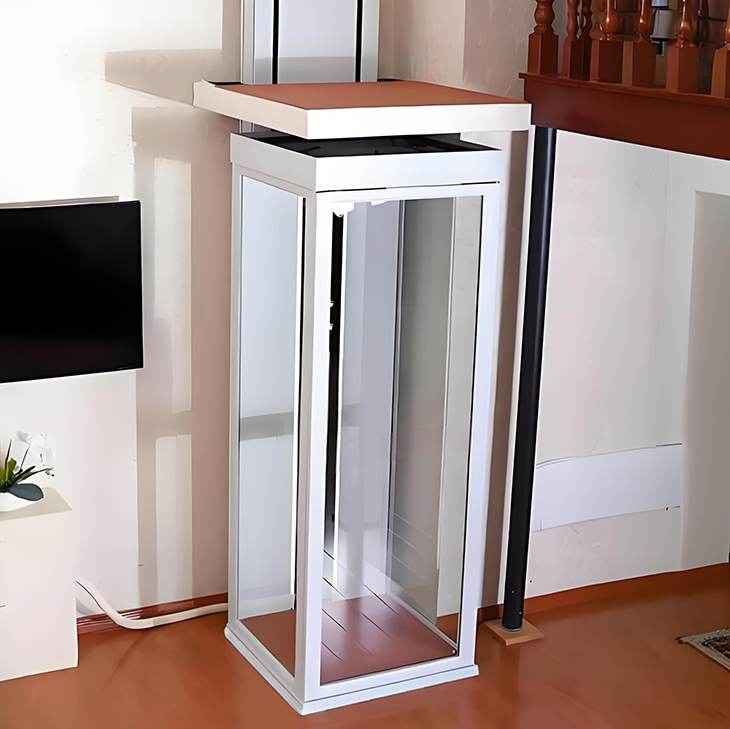
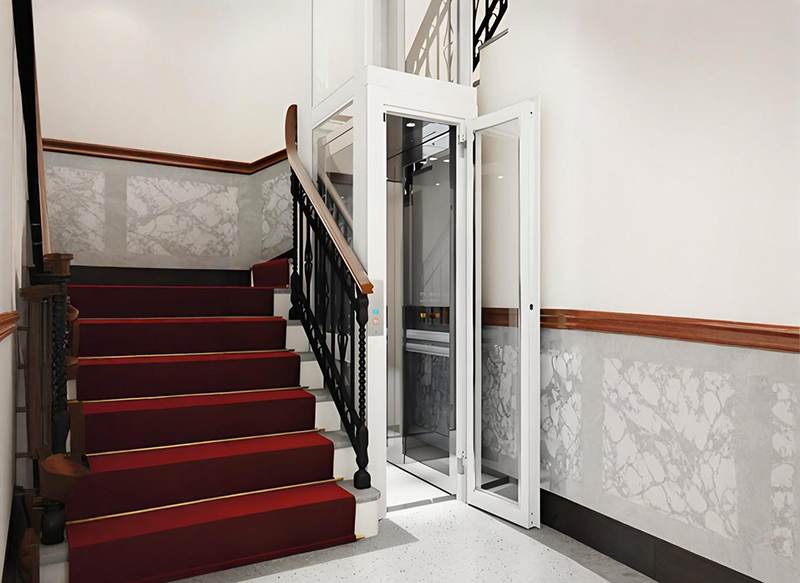
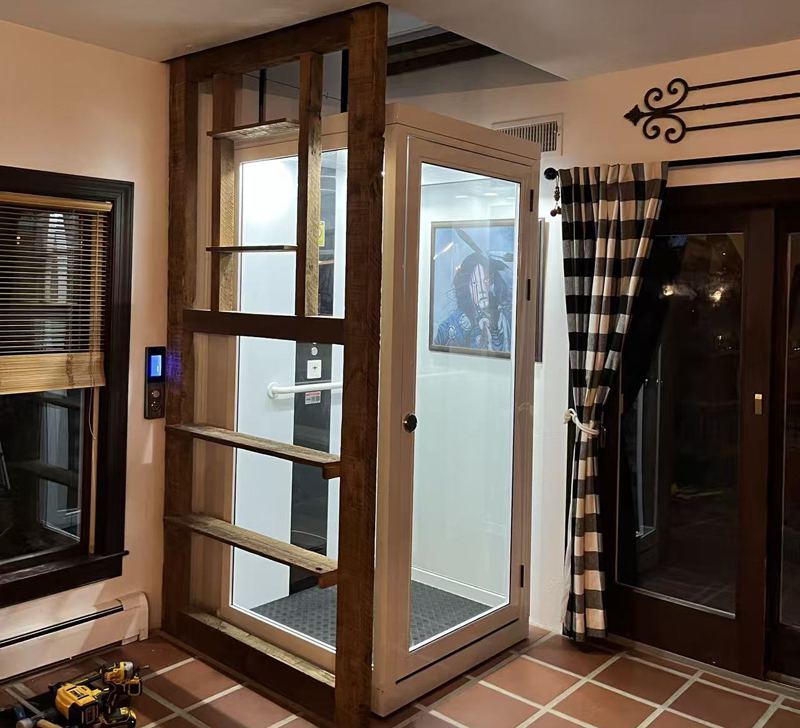
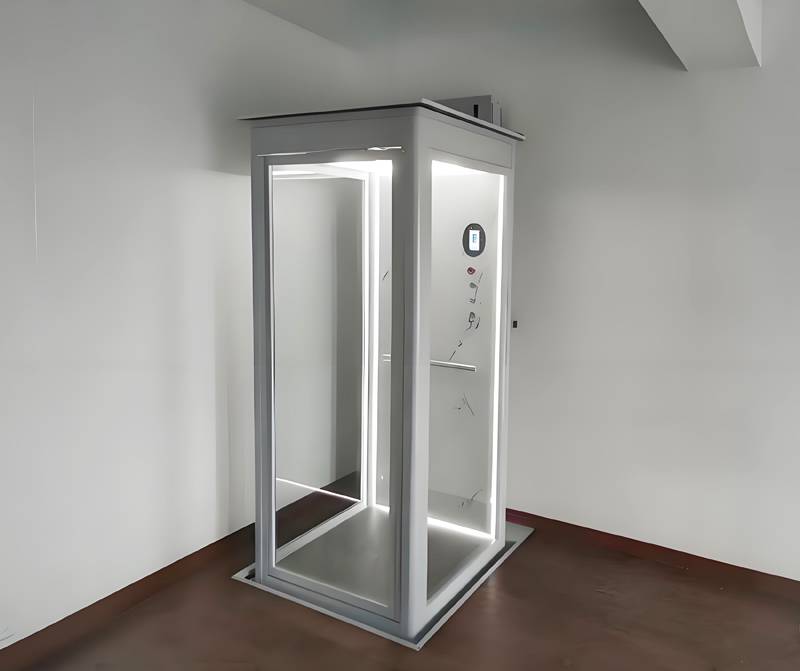
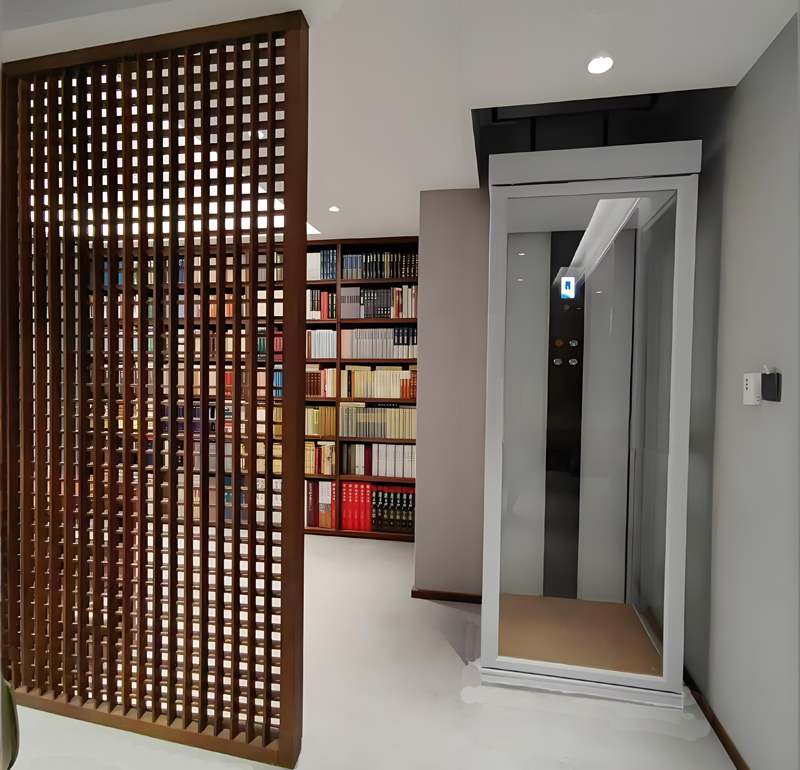
2 home elevators in different color

When retrofitting a elevator into an existing older building, the following factors must be considered.

1. Find suitable location:

In older properties, the following are the three most common locations for retrofitting:

● Built-in cupboards: The most cost-effective method. By aligning cupboards across multiple floors, a natural lift shaft can be formed without the need for extensive structural demolition or alterations.

● Centre of the stairwell: If you have a spacious spiral staircase, the central void (i.e. the ‘centre of the stairwell’) is also an ideal location for installing an elevator.

● Room corners: This requires cutting through the floor in a room corner so that the elevator can pass through to reach higher floors.

2. Choosing the best suitable model

Shaftless, machine-room-less and pitless elevator.

This type of elevator minimises structural alteration costs, maximises space saving and reduces the overall budget.

 Check How A Shaftless Home Elevator works:

3. Installation requirements for older properties:

The following issues must be resolved prior to installation:

  • Electrical requires: Most residential elevators require a dedicated 220V circuit. Electricity max 14 Amps, please make sure your house has a enough capacity power line and circult breaker.
  • Headroom Overhead  Space requires: Older attics or top-floor rooms may has a sloping ceilings. Please ensure the model you select meets the headroom requirements. Generally, a minimum of 7 feet is required.

Steps for Retrofitting:

●  Structural Assessment: Inspect and assess the load-bearing capacity of the floor slabs.

●  Model Selection: Choose a pitless and shaftless system.

On-site Survey: choose installation location and measure the available space.

● Selecting a Supplier: Choose a supplier with extensive manufacturing and installation experience; request installation manuals; hire installers or install it yourself. Some brands for your reference: Stiltze,  Bruno, Skystair Lift

On-site Installation: Assemble the lift car, secure the rails, connect the electrical wiring, and complete assembly and commissioning.

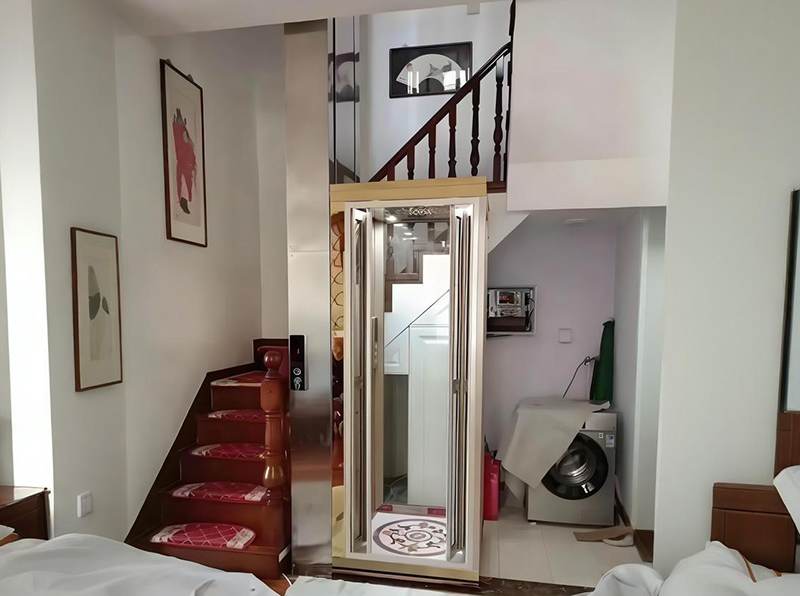
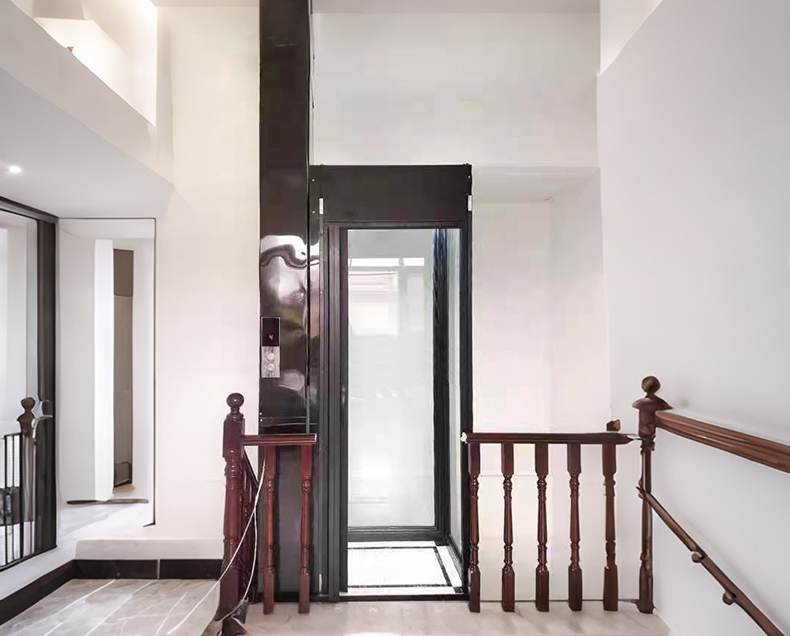
a pit less home elevator installed near the staircase.

Costs

The price range for the most economical elevator is $5,000–$10,000.

The price range for luxury lifts is $15,000–$25,000.

Installation cost about $2,000-$5,000.

  Interested in retrofitting a small home elevator in your house below $10k Contact us for a details quote!  

(We will reply you within 24 hours)

Share this
10 Jan 2026

Introducing a Skystair home elevator for small space

In modern homes, install a compact residential elevator is a popular choice. These are commonly referred as”Machine Room-Less Elevator / MRL Elevator”

a white home elevator lift installed inside a modern room with wooden floor.

Below is a recommended Skystair residential home elevator specifically designed for small spaces, for your consideration.

  1. Minimum installation space: Approximately 31.5 inches x 39.4 inches;
  2. Load capacity: Typically 660 lbs;
  3. Installation Locations:
  • Mid-staircase: The most common installation spot, requiring precise measurement of the clear space at the staircase turn.
  • Wall-mounted corner: Utilizes a room corner or the end of a hallway.
  • Existing shaft: For retrofitting older buildings, installation within a narrow existing shaft is possible. Professional measurement is needed.

Features:

Pit requirement: No pit required. No machine room. No enclosed brick shaft. 

Headroom requirement: ≥ 6.5 feet.

Advantages: Lower cost, simple installation/maintenance, smooth operation, extremely low noise ( 50 dB ).

a small home elevator installed inside a modern house in US

Parameter Explanation:

  • Minimum Installation Space: Space required to accommodate elevator components such as guide rails, brackets, and car. Equivalent to the reserved structural floor opening dimensions.

Example: For an elevator with a cabin interior of 29 inches x 26 inches, the required floor opening in your home should be at least 34.5 inches x 41.7 inches.

  • Pit Depth: The depth required to excavate below ground level. Hydraulic driving elevators may not require a pit.
  • Overhead space: The distance from the car top to the shaft top when the elevator stops at the highest floor. Must meet the minimum height specified by the elevator manufacturer to ensure safe maintenance space.

Typically requires ≥ 80 inches ( 2030mm ).

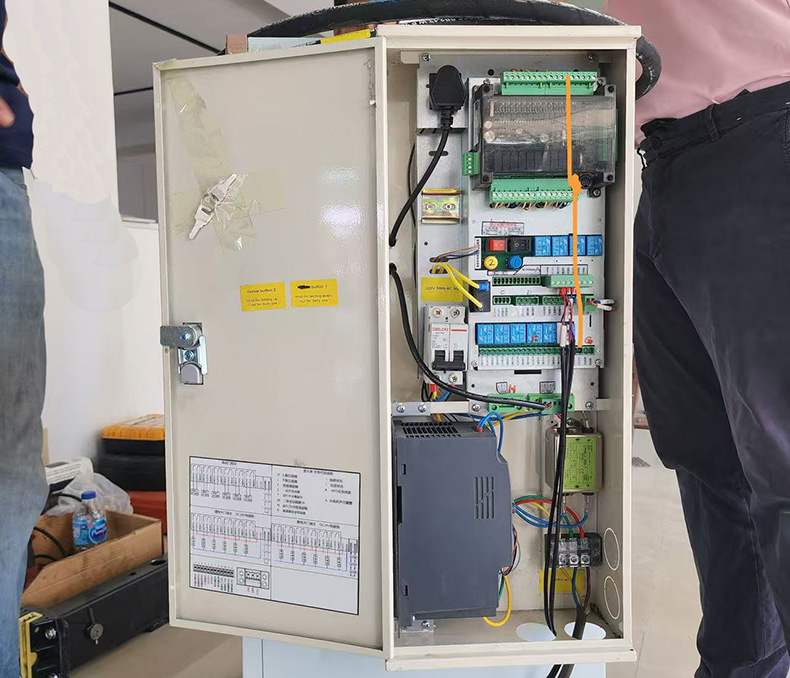
  • Machine Room: Above type elevator is machine-room-less designs. Control cabinets can usually be installed beside the elevator or in nearby spaces (e.g., under stairs, storage rooms). Confirm the location with the supplier in advance.

home elevator control cabinet

  • Power Source: Local AC electricity, such as 220v/240v, 50/60hz, single phase.  Max 14Amps current.
  • Price Cost: Total costs range from $10,000 to $15,000, including the cost of unit and on-site installation.  
  • Handyman benefits: This elevator is preassemble in factory and finished all function test, then break down into kitset.  You can make installation by yourself, to save lots of installation charges.   

Hope this information helps you build a perfect elevator!

Check How The Small Home Elevator works:

  Interested install an mini home elevator below $10k Contact us for a details quote!  

(We will reply you within 24 hours)

Share this
09 Jan 2026

What are the common problems on residential home lifts?

Home elevators, as a frequently used vertical transportation equipment within residences, are designed for safety and reliability. However, common malfunctions may still occur during prolonged use. Below is a systematic overview of these issues along with corresponding inspection and troubleshooting methods:

a white home elevator lift installed inside a modern room with wooden floor.

Common Malfunction Types and Troubleshooting:

1. Door Safety Switch Failure (Most Common)

  • Symptom: Elevator still moves if the cabin door not closed (safety circuit failure).

Potential Reasons:

  • Elevator door safety switches are damaged or short-circulted.

2. Abnormal Operation

  • Symptom: Vibration or unusual noises during operation, inaccurate leveling (platform stops height not at same level with landing floor surface), suddenly stops.

Troubleshooting:

  • Insufficient guide rail lubrication, oil contamination, or installation inaccuracies.
  • Unstable traction machine or hydraulic system operation.
  • Uneven tension or wear in steel ropes.
  • Abnormal parameters in the frequency converter or control system.
  • Leveling sensor switch is not on correct place.

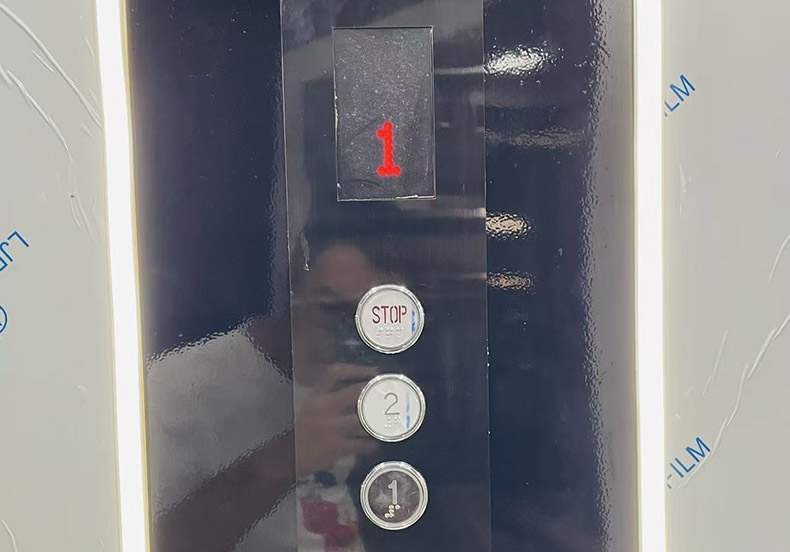
home elevator floor call buttons inside the car

3. Electrical Control System Malfunctions

  • Symptoms: Button failure (no response to call buttons inside/outside), incorrect floor display or blank screen, lighting malfunction, elevator automatically returns to base station or randomly selects a floor.

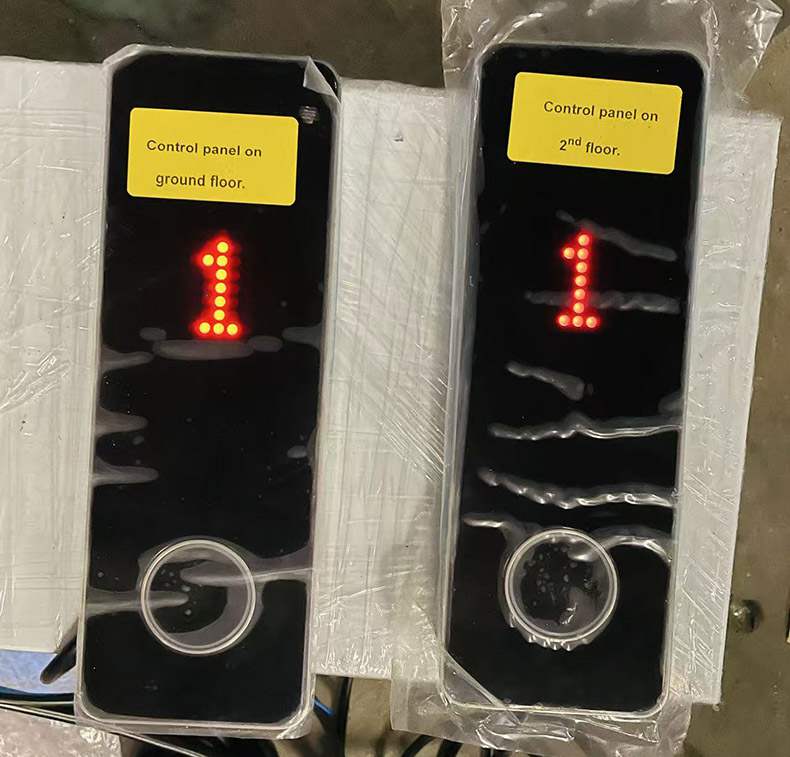
home elevator floor call panels.

Troubleshooting:

  • Aged or damaged components on control boards or circuit boards.
  • Poor contact or damage to buttons.
  • Loose, damp, or shorted wiring connections.
  • External power outage or circuit breaker trip.

4. Safety Protection Device Activated.

  • Failure Symptoms: Elevator suddenly stops and cannot operate.

Troubleshooting:

  • Safety gear activated: When elevator speed abnormally increases, mechanical safety devices activate, clamping the car against the guide rails.
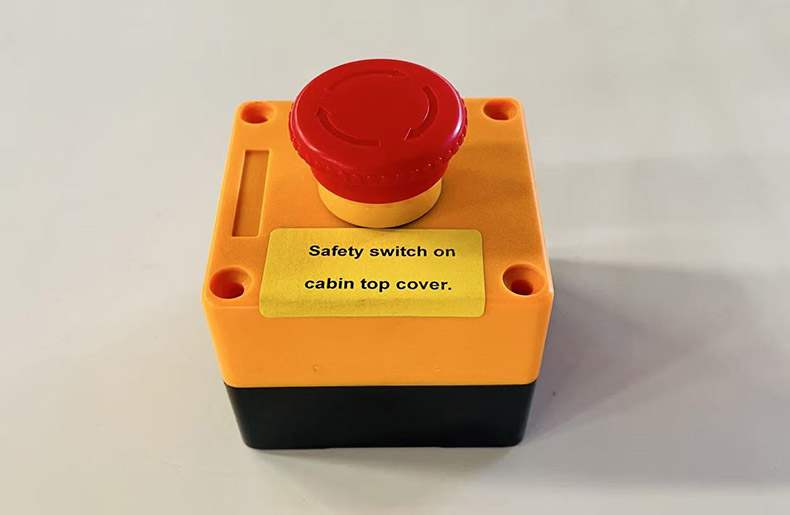
  • Pit/roof emergency stop switch activated: The stop switch may fails to reset after maintenance.

home elevator stop button

What should we do? 

1. Emergency Response Principles:

  • Stay Calm: Elevator stoppages are typically triggered by safety mechanisms, and the car is still safe for users.
  • Use Emergency Devices: Try to contact and get outside assistance—this is the safest and most effective method for summoning help.
  • Await Rescue: Don’t force open car doors or attempt to escape through the top, as this risks falling or being crushed. Patiently await professional rescue personnel.

If Trapped: Family members should immediately press the emergency descent button (located on the main control panel) to lower the car to the lowest floor.

2. Daily Use and Preventive Maintenance:

  • Proper Usage: Avoid overloading, slamming doors, jumping inside the car, or obstructing door closure for extended periods.
  • Maintain Cleanliness: Regularly clean the car interior and door sills to prevent dust and debris from entering crevices.
  • Regular Maintenance: Periodically inspect all components of the home elevator. Check for cracks in the drive belt, loose nuts, proper lubrication of guide rails, and ensure all control system contactors are functioning correctly.
  • Monitor Abnormalities: Immediately notify maintenance personnel upon detecting minor anomalies such as unusual noises, vibrations, or inaccurate leveling to prevent potential issues.
  • Power Supply Assurance: Ensure a stable household electricity supply. Consider disconnecting power during extended absences, but verify the elevator passes self-check after power restoration.

Watch A Home Lift Feedback Video From Customer

  Interested install a residential home lift below $10kContact us for a details quote !  

(We will reply you within 24 hours)

Share this
10 Dec 2025

DIY Home Elevator Costs and Methods: What Homeowners Should Know

Home elevators have become increasingly common as homeowners look for ways to improve accessibility, aging-in-place comfort, and property value. As traditional residential elevators can be expensive, some homeowners begin researching DIY home elevator options in hopes of cutting costs.


However, building a home elevator yourself—especially one intended to lift people—comes with serious safety, power consumption, and liability concerns. This article explores what “DIY home elevators”realistically mean, the true costs involved, safer alternatives, and the methods people typically consider when trying to reduce expenses.

Our goal is to help you understand your options in a practical and safe way, while following up-to-date Google-compliant content guidelines.

Watch The Home Elevator DIY Feedback Video From our Customer

What “DIY Home Elevator” Really Means

When people search for “DIY home elevator” they may imagine building a complete elevator system from scratch. In reality, constructing a person-lifting device without professional engineering is not easy, as most countries require elevators to meet strict safety standards.

So, in the residential market, a “DIY home elevator” typically refers to:

  1. Partial DIY installation
    Homeowners perform non-technical tasks (such as minor carpentry, finishing work, or preparing the space) while licensed professionals install the elevator machinery.

  2. Pre-engineered lift kits
    These are rare for people-carrying devices but more common for cargo lifts or dumbwaiters. Some homeowners attempt to repurpose them, but this is not recommended.

  3. Alternative devices
    Such as stair lifts, vertical platform lifts (VPLs), or shaftless elevators, which often require less construction and may support limited DIY participation.

a white shaftless home lift with glass panel

Understanding these distinctions helps set realistic expectations for cost and feasibility.


Cost Breakdown: DIY vs. Professionally Installed Home Elevators

Because residential elevators must meet safety requirements, fully DIY builds are not feasible. But semi-DIY projects—where you handle preparation work and hire pros for installation—can reduce costs by 10–25%.

Below is an overview of typical price ranges in the U.S.:

1. Traditional Shafted Home Elevator

  • Professionally installed: $25,000–$60,000+

  • Semi-DIY (home prep only): $20,000–$50,000

  • Major cost drivers:

    • Shaft construction

    • Machine room requirements (for some models)

    • Electrical upgrades

    • Permits and inspections

  2. Shaftless Home Elevator (most common for DIY-minded homeowners)  

  • Install cost: $3,000–$7,000

  • Elevator components cost: $5,000–$10,000

  • These models require minimal structural changes, making them appealing to DIY audiences.

3. Pneumatic Vacuum Elevators (PVE)

  • Installed cost: $35,000–$60,000

  • Semi-DIY savings: limited—most manufacturers require certified installation

  • No shaft or machine room required

4. Vertical Platform Lifts (VPLs)

  • Cost: $3,000–$5,000

  • Typically used for wheelchair access and often easier for homeowners to prepare the site for installation.


a white home elevator lift installed inside a modern room with wooden floor.

If You Want a DIY-Friendly Approach, Consider These Methods

1. DIY the Preparation Work (Safest Method)

You can reduce elevator costs by performing or hiring cheaper labor for:

  • Framing or drywall demolition

  • Creating the opening between floors

  • Clearing electrical pathways (done by a licensed electrician)

  • Building or reinforcing the shaft according to engineered drawings

This approach can save 10–25% of total project cost while keeping all safety-critical components professionally handled.


  2. Choose a Shaftless Home Elevator (Minimal Construction Required)  

Shaftless elevators are compact and usually travel one floor. They require:

  • A floor cutout

  • Basic structural reinforcement

  • Standard household electrical supply

This is the #1 option homeowners choose when seeking something “DIY-friendly” without compromising safety.

The shaftless home elevator should have standard safety device, for example:

  • Full-height door: 1 or 2 doors on the cab.
  • Insided T-Rail as the moving structure. More stable and smoother.
  • Interior Grab Rail: Offers increased security for the occupants of the elevator.
  • Super silent motor system.
  • Battery Back-Up System: If there is a power cut while using the elevator, the cab can be lowered to lowest floor level.
  • Door sensor: Platform can’t move if the door not closed.
  • Fault alert voice.

A white home elevator installed on the corner of a house


3. Install a VPL (Vertical Platform Lift)

Although not classified as elevators, VPLs are:

  • Simpler mechanically

  • Often installed in garages or exterior settings

  • Less expensive

  • Easier for homeowners to prepare the site for

For wheelchair users, a VPL offers functionality at a fraction of the cost.


Hidden Costs DIY Home Elevator Shoppers Often Overlook

Even if you attempt partial DIY, these costs still apply:

1. Electrical and Structural Modifications

Expect expenses for:

  • Dedicated circuits

  • Load-bearing reinforcement

  • Cutouts for shaft or floor openings

Typical cost: $1,500–$10,000 depending on home structure.


2. Maintenance Requirements

Most residential elevators require:

  • Annual or bi-annual service

  • Safety tests

  • Replacement parts over time

Budget $300–$800 per year.


  So, How Much Does a DIY-Style Home Elevator Really Cost?  

Here is a realistic total range including partial DIY work:

Elevator Type   Typical Total Cost  ( not include installation cost )
Shaftless elevator     $5,000–$10,000
Traditional shaft elevator   $20,000–$50,000
Vertical Platform Lift (VPL ) $3,000–$5,000
Pneumatic elevator   $35,000–$55,000

These numbers represent safe, legal installation pathways while still allowing homeowners to reduce some expenses.


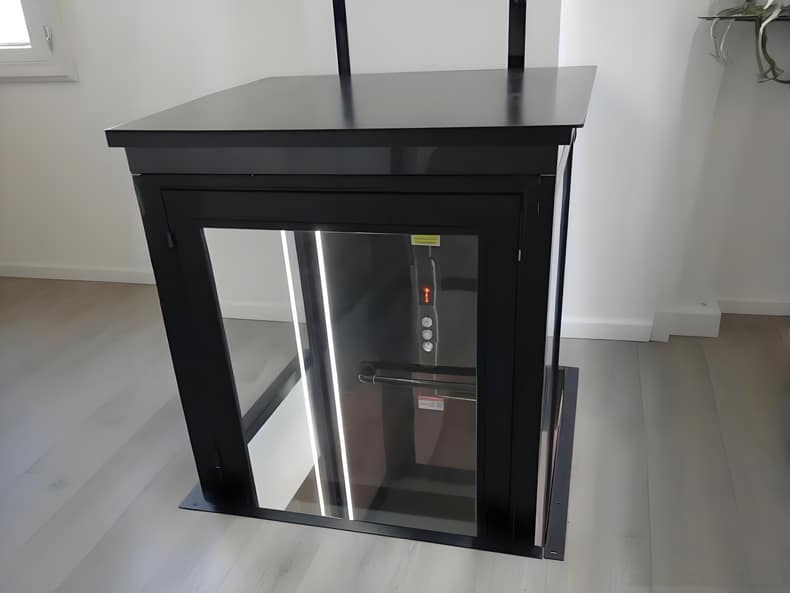
a black shaftless home elevator installed inside a modern house in US

Final Thoughts: DIY Home Elevators Require Caution—but Cost Savings Are Still Possible

DIY-minded homeowners can absolutely save money when installing a home elevator—as long as DIY involvement is limited to non-technical tasks. The mechanical and electrical components must be installed by licensed professionals to meet safety codes and pass inspections.

The best options for homeowners looking to reduce costs without compromising safety include:

  • Choosing shaftless elevators.

  • Preparing the construction site yourself.

  • Considering vertical platform lifts or stair lifts as alternatives.

By understanding the realistic costs and safe methods, you can make an informed decision and find the most affordable, code-compliant elevator solution for your home.


  Interested in DIY a shaftless home elevator below $10k ?  Contact us for a details quote !  

(We will reply you within 24 hours)

Share this
02 Dec 2025

How much does a shaftless home elevator cost?

How much does a shaftless home elevator cost? — A practical, friendly guide

If you’re considering adding a shaftless home elevator (also called a home lift or shaft-less residential lift), cost is one of the first — and trickiest — questions. Unlike full-shaft traction or hydraulic elevators, shaftless lifts are engineered to be compact, easier to install, and often less expensive. Below is a clear, searchable explanation of typical price ranges, what drives cost, code and permit considerations, and realistic budgeting advice — with links to reputable government, university, and industry sources.

A shaftless home elevator installed in a 2 floor US townhouse.


Quick answer (short summary)

  •   Typical price range for a shaftless residential elevator: roughly $5,000 to $15,000 installed for mostly affordable single-floor residential shaftless models;   premium or customized units can be higher. This depends on platform size, load capacity, travelling height, final finishes, and site work. 


What is a shaftless home elevator — and why is it cheaper?

A shaftless elevator (also called a home lift) is a compact vertical lift designed for homes that does not require a full hoist or framed hoistway. Many shaftless designs mount to a mast or guide system or use a small structural enclosure that passes through a single floor opening. Because they avoid full shaft construction and large mechanical rooms, they generally have lower labor and construction costs than traditional elevators — especially when serving only two floors. Manufacturer pricing and buyer guides reflect this lower installed cost compared with full-shaft passenger elevators. 


Typical cost breakdown

When you budget for a shaftless home elevator, consider these components:

  1.   Unit price (equipment):  Some affordable elevator basic price can be $5,000-$10,000.   

  2. $20,000–$30,000 for many shaftless/home lift models (standard finishes, single-floor travel). Some well-known manufacturers list their compact models in the low-to-mid-$20k range. Source: stiltzlifts.com

  3. Installation & labor: $1,000–$2,000 depending on site complexity (cutting floor openings, reinforcing landing, routing electrical, finish carpentry).

  4. Optional extras: Custom cab finishes, automatic doors, remote diagnostics, or compliance upgrades (e.g., larger cabs for wheelchair access) add cost — sometimes significantly.

a black shaftless home elevator installed inside a modern house in US

Putting it together: many homeowners report total installed costs for shaftless home lifts in the neighborhood of $15k–$35k, while higher-end or accessibility-sized options can approach $40k–$60k. Industry price surveys and consumer guides echo this range. 

Watch The Shaftless Home Elevator Feedback Video From  Customer

Examples from manufacturers and industry

  • Stiltz — a leading shaftless/home lift manufacturer, positions compact residential lifts often in the low-to-mid $20k range for typical two-floor installs (actual cost varies by model and site). Manufacturer pages and dealer quotes are useful to get an accurate, location-specific number. 

  • Skystair lift — a developing manufacturers publish ranges for home lifts; some two-floor home lift solutions are commonly quoted in $7,000 to $10,000 range in the United States. Always ask local dealers for an installed quote. Skystair Global.

(Manufacturer pages are excellent for exact dimensions, capacities, and required clearances — essential inputs for a reliable install quote.)


How to get an accurate quote (best practice)

  1. Decide the use: Is it for ambulatory users only, or must it be wheelchair accessible? Wheelchair-capable lifts are pricier.

  2. Gather site info: Travel distance, floor-opening size, structural access, and available power all matter.

  3. Request multiple dealer quotes: Ask at least 2–3 certified dealers (manufacturer dealers if possible) and insist the quote itemizes unit price, installation, permits, and extras.

  4. Ask about warranties and maintenance: Lifetime cost includes service contracts and periodic inspections.

  5. Ask for references and sample installs: photos or local installs let you see finished work and typical hidden costs.

a white shaftless home elevator installed inside a 3 floor US house


Bottom line

Shaftless residential elevators are one of the most cost-effective ways to add vertical access in a two-story home. Expect roughly $7,000–$40,000 installed for the typical shaftless model, but get local quotes — final price depends on capacity, finishes, required structural work, permits, and whether the unit must meet accessibility standards. For reliable planning, consult manufacturer spec sheets and your local building department, then get at least two written installed quotes.

  Interested in a shaftless home elevator below $10k ?  Contact us for a details quote!  

(We will reply you within 24 hours)

Share this
17 Aug 2025

Small House Elevator : The Best Addition to Your Home in United States

Why I Installed a Small Elevator in My House (And Why You Might Need One Too)

1. The Turning Point: When Stairs Became a Problem
Initially, installing a small elevator for house wasn’t on my radar. But as my family grew and aging parents visited more often, staircases turned into daily obstacles. Researching elevators for small houses revealed a surprisingly practical solution—one that transformed our home’s functionality.

A shaftless home elevator installed in a 2 floor US townhouse.

2. Space-Saving Design:  Minimum space required about 31.5 inches × 39 inches.
A common myth? Home elevators require massive space. Modern small elevators in houses fit compact areas:

  • Unused corners.

  • Alongside staircases.

  • Closet space.

3. Life-Changing Benefits Beyond Mobility
The advantages exceeded expectations:
✔ Accessibility: Elderly parents move safely between floors.
✔ Convenience: Groceries, laundry, and furniture transport became effortless.
✔ Child Safety: Toddlers avoid stair-related accidents.

4. Energy Efficiency & Smart Features
Today’s home elevators for small spaces prioritize sustainability:

  • Lower energy use than most appliances: electricity max 14 Amps. Normal outlet will works. 

  • Auto shut-off and LED lighting.

  • Quiet, eco-conscious operation: working sound level 50Db, same as normal talking.

a simple white home elevator installed in a modern house

5. Key Considerations Before Installation
Thinking of adding a small elevator to your house? Follow these steps:

  1. Measure available space (even tight spots may work).

  2. Consult specialized installers for residential models.

  3. Prioritize safety features: Sensors, smooth operation, and noise reduction.

  4. Check local building codes—regulations vary by region.

  5. Budget: Some budget friendly models total cost around $10,000. ( Include unit cost + installation cost )

Final Verdict: A Worthwhile Investment

Installing a small elevator in the house improved our quality of life and home value. If stairs are a hassle—whether for aging family members, young children, or daily tasks—this upgrade might be your perfect solution.

Watch The House Elevator Feedback Video From our Customer

Frequently Asked Questions:  Everything You Need to Know About Small House Elevators

If you’re considering a small elevator in house or elevator for small house, here are key questions answered.

1. How much space do I need?

Modern small elevator for house models need just about 1 square meters (3.3×3.3 feet), fitting in corners, closets, or beside staircases. Pros can find the best spot for your layout.

2. Is installation expensive?

Costs vary, but they’re more affordable than expected. Some Lego-style elevator was designed and produced in easy-installed module, normal skilled worker can finish installation within 2-3 days. If you are a handy man, you may even finish the installation by yourself.

3. Do they need lots of maintenance?

No. Annual professional checks suffice, plus basic upkeep like cleaning and sensor checks. Most come with multi-year warranties for parts and labor.

4. Are they safe for kids and seniors?

Absolutely. They include emergency stops, door sensors, battery backup power, and smooth movement—ideal for elderly users and safe for children.

5. Will energy bills rise? Modern models are energy-efficient (using less than a fridge), with auto-shutoff and LED lighting. Energy costs are negligible.

6. Can existing homes get them?

Yes! We can retrofit elevators into older homes with minimal structural changes, no major renovations needed to put a small elevator in my house.

7. Are there local regulations?

Most regions have codes. Reputable installers know regulations and handle permits—always choose licensed professionals.

  Wanna install a small house elevator below $10,000 ? Contact us for a details quote!  

(We will reply you within 24 hours)

Share this
07 Aug 2025

Modern Home Elevator Lift for Smooth and Stylish Residential Vertical Transport

Modern home elevator systems provide a smooth and stylish experience for residential vertical transportation

Introduction 

In an era where convenience, accessibility, and style define modern living, modern home elevator systems are rapidly becoming a must-have in high-end residential properties worldwide. Once considered a luxury reserved for mansions and upscale hotels, they are now evolving into a practical yet elegant residential vertical transportation solution.
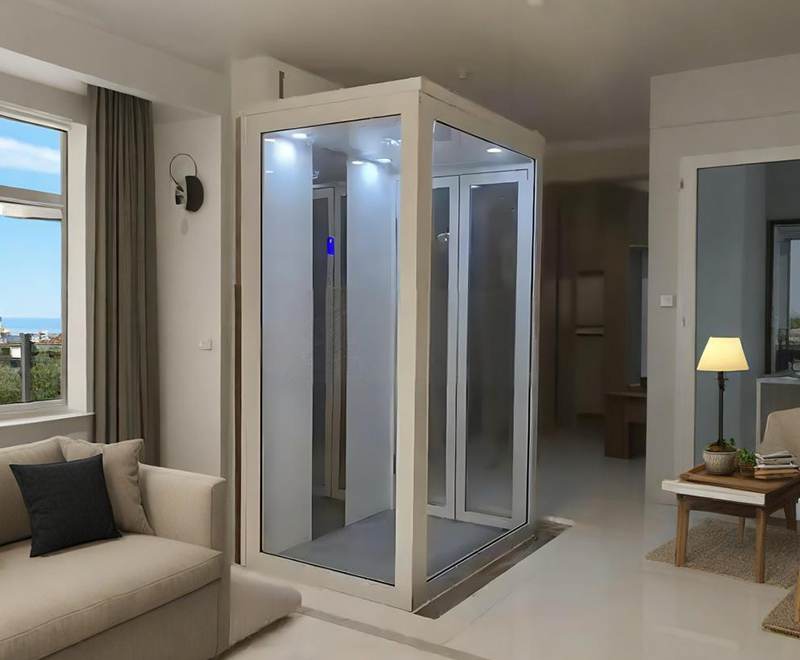
 a white frame small lift for home use

As homeowners prioritize mobility, in-place aging solutions, and design-forward interior decor, home elevator systems are more popular than ever. Compact, quiet, and customizable, these vertical transportation systems not only offer unparalleled convenience but also enhance the architectural sophistication of any home.

This article explores the latest trends, technologies, features, and benefits of modern home elevators and explains why they are rapidly becoming an essential component of smart, stylish homes.


The Rise of Residential Elevators

Accessibility Meets Aesthetics

Today’s homeowners are no longer satisfied with ramps and stair lifts. They want accessibility without compromising aesthetics. Modern home elevator lifts are designed for this purposeproviding accessibility while seamlessly integrating into modern interior design.

From multi-story family homes to urban penthouse apartments, homeowners are embracing elevators to future-proof their properties for aging family members or simply to add a touch of luxury to their living spaces.

Global Market Growth

According to recent industry reports, the residential elevator market is projected to grow at a compound annual growth rate (CAGR) exceeding 6% by 2030, driven by factors such as an aging population, smart home integration, and increasing urbanization rates.

North America and Europe continue to lead adoption due to a focus on luxury home upgrades and in-place aging plans. Meanwhile, emerging markets in Asia-Pacific and the Middle East are rapidly catching up, with modern high-rise residential buildings increasingly opting for compact elevator systems.
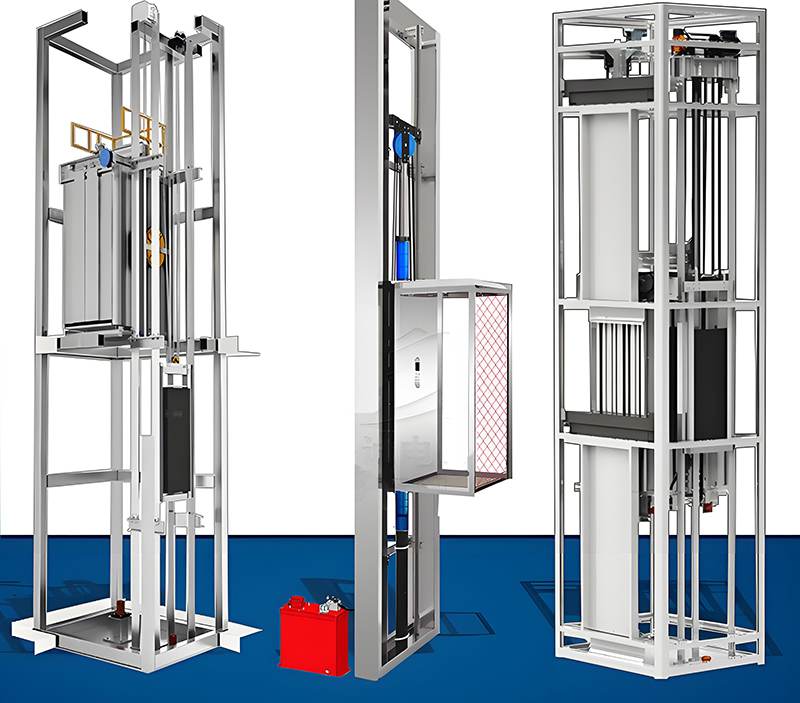
 Home Elevator Lift

Technical Specifications of Modern Home Elevators

Function

Specifications

Load Capacity

300 kg 400 kg

Cabin Size

Customizable (Standard: 900×900 mm 1200×1000 mm)

Speed

0.15 0.25 m/s

Travel Height

Up to 8 meters (3 stops)

Drive Type

Hydraulic, Gearless Traction, Pneumatic Vacuum, Screw Drive

Power Supply

220V/240V Single-phase or 380V Three-phase

Door Type

Manual Swing, Automatic Sliding, Telescopic

Control System

Microprocessor or PLC with Safety Logic

Safety Features

Emergency Stop, Door Interlock, Battery Backup, Alarm System

Noise Level

<50 decibels (whisper-quiet)

Finish Options

Stainless Steel, Tempered Glass, Wood Panels, Mirrors, LED Lighting


Trends in Residential Elevator Lifting Design

1. Minimalist Aesthetics

Modern elevators are designed to blend with contemporary home decor, featuring frameless glass panels, slim doors, and seamless integration with walls or stairwells.

2. Panoramic Glass Elevators

Transparent, 360-degree glass elevator cabs are gaining popularity in both indoor and outdoor installations, offering an open feel and luxurious appeal.

3. Smart Controls

Through smart home integration, homeowners can control elevators via mobile apps, voice commands, or contactless panelsensuring hygiene and convenience.

4. Space-Saving Designs

Compact elevator models are now engineered for a small footprint and can be installed without a pit or machine room, making them ideal for retrofitting into existing homes.

5. Personalization

Manufacturers now offer customized interior, lighting, flooring, and wall optionsallowing for full customization to match the home’s interior theme.
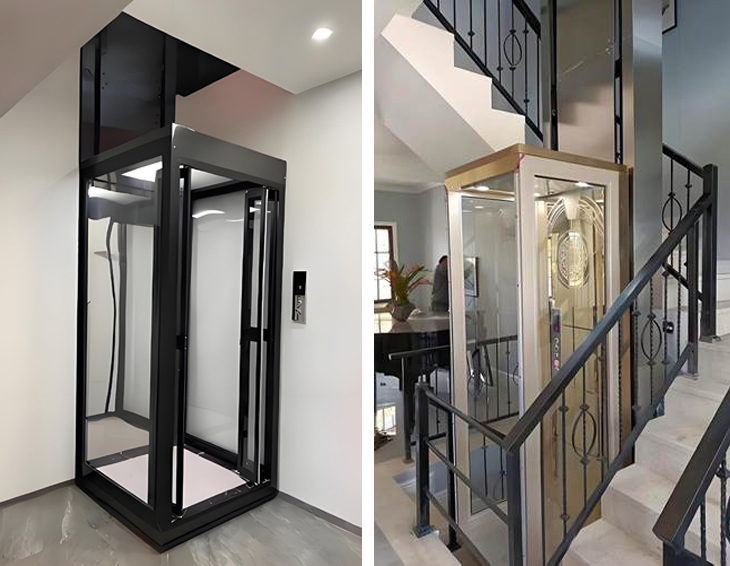
2 home elevators in different color

Benefits of Installing a Home Elevator

1. Enhanced Mobility and Accessibility

Home elevators provide independence and accessibility for the elderly, people with mobility impairments, or anyone who finds stairs challenging.

2. Increased Property Value

Real estate data shows that installing a home elevator can boost a house’s resale value by 10% to 25%, depending on the region and type of house.

3. Luxury Appeal

An elevator instantly adds a touch of modern luxury, transforming an ordinary home into a high-end residence.

4. Safety and Convenience

Whether carrying groceries, luggage, or children, elevators simplify vertical transportation and reduce the risk of falls or strains.

5. Future-proofing

As homeowners plan to age in place, an elevator is a practical investment that supports long-term living arrangements without the need to move.

Application.

1. Private Villas and Townhouses

For multi-storey luxury residences, elevators ensure easy access to all floors, especially for elderly residents.

2. Duplexes and Penthouses

Compact elevators enhance daily comfort and meet the high-end expectations of owners of urban high-rise residences.

3. Vacation Homes and Apartments

Elevators improve the guest experience and reduce the hassle of carrying luggage in vacation apartments.

4. Restored Historic Buildings

Modern elevators can be retrofitted into old properties without damaging the building’s integrity, preserving its charm while enhancing functionality.

5. Accessible Housing Projects

Newly designed accessible housing is increasingly incorporating elevators as a standard feature to ensure compliance with global accessibility standards.

Customer Reviews

“Installing a home elevator has changed our lives. Now my father can move freely between floors, and it looks absolutely beautiful in our foyer.”

Linda W., Homeowner, Toronto

“We chose a glass elevator for our beach house, and the views as it ascends are breathtaking. It’s not just a utility; it’s a work of art.”

James L., Architect, California

“The drive system is extremely quiet; you can barely feel it moving. What’s more, no pit means we didn’t need massive construction work.”

Arvind K., Homeowner, Dubai

Overview of the Installation Process

Step 1: Consultation and On – site Survey

Elevator maintenance technicians assess the house structure and space to recommend the best model and location.

Step 2: Design and Customization

Homeowners select the cabin size, door type, finishes and control options that suit their preferences.

Step 3: Manufacturing and Delivery

Once customized, the elevator will be manufactured (usually within 4 – 8 weeks) and delivered to the site.

Step 4: Installation

Depending on the type and complexity, the installation takes 3 to 10 days and has minimal impact on daily life.

Step 5: Testing and Certification

After installation, the system undergoes rigorous testing to meet safety and performance standards.
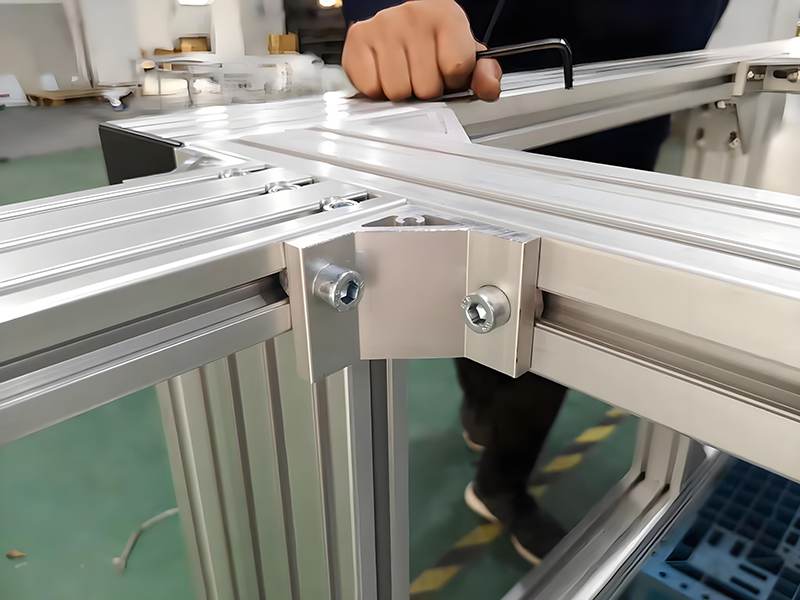
Maintenance and Safety Tips.

Monthly:

– Check door operation and lighting.

– Clean dust and debris from the cab and tracks.

Quarterly:

– Inspect the control panel and communication system.

– Lubricate moving parts (for non-vacuum models).

Annually:

– Arrange for professional inspection and oil change (for hydraulic models).

– Test safety devices, emergency descent and backup power systems.

Safety Tips:

– Never exceed the weight limit.

– Do not allow children to operate it unsupervised.

– Ensure regular maintenance is performed by certified technicians.

Frequently Asked Questions (FAQ)

Q1: How much space is required for a home elevator?

A: The space requirements vary by model. Some compact models only need 1 square meter of floor space and do not require a pit or machine room.

Q2: Can it be installed in an existing house?

A: Yes. Many models are specifically designed for retrofitting with minimal structural changes.

Q3: How much does a home elevator cost?

A: The cost is usually between $5,000 and $10,000, depending on the degree of customization, size, number of floors, and drive system.

Q4: Are home elevators safe?

A: Absolutely. Modern elevators are equipped with various safety features, including emergency brakes, backup power supplies, interlocking devices, and alarm systems.

Q5: How long does the installation take?

A: A simple installation can be completed in 3-5 days, while more complex projects may take up to 2 weeks.

Q6: What is the service life of a home elevator?

A: With proper maintenance, most elevators can last for more than 20 years.

Q7: Do home elevators consume a lot of electricity?

A: No. Energy-efficient models consume electricity equivalent to that of a refrigerator or microwave oven.

Final Thoughts

As the world redefines home life through innovation and inclusivity, modern home elevator lifting devices stand out as a vital addition to forward-thinking residential spaces. These lifting devices combine elegance with functionality, offering a perfect solution to enhance comfort, safety, and property value.

Whether you are renovating, building a new home, or simply planning for the future, a home elevator is an investment in mobility, design, and peace of mind. With unlimited customization possibilities and cutting-edge technology, there has never been a better time to bring the elevator experience home.

For expert advice, design options, and installation quotes, contact your trusted home elevator provider today and take your lifestyle to the next level.

Share this
22 Jul 2025

What Is a Residential Attic Lift For People? A Complete Guide

If you’re looking for a convenient way to access your attic without the hassle of climbing a ladder, a residential attic lift might be the perfect solution. These innovative home elevators make transporting passengers—or even heavy items—easier and safer. In this post, we’ll explore what attic lifts are, their benefits, and how they compare to other home lifts like residential platform lifts, residential vertical lifts, and residential wheelchair lifts.

2 home elevators in different color

Understanding Residential Attic Lift

A residential attic lift is a compact elevator system designed to move items (or passengers) between floors, specifically to and from the attic. Unlike traditional pull-down ladders, these lifts provide a smooth, motorized alternative, reducing physical strain and improving accessibility.

Key Features of Attic Lifts:

  • Space-saving design – Fits neatly into small areas.
  • Weight capacity – Typically supports 250 to 1,000 lbs.
  • Manual or automatic operation – Some models use remote controls.
  • Safety mechanisms – Includes emergency brakes and locking systems.

Watch The Attic Lift Feedback Video From  Customer

Types of Residential Lifts for Home Use

While attic lifts are ideal for storage access, other home lifts serve different purposes:

1. Residential Platform Lift
A residential platform lift is a versatile option for moving heavy items or people between floors. These lifts feature an open platform, making them ideal for furniture, luggage, or even wheelchair users in some cases.

2. Residential Vertical Lift
A residential vertical lift is similar to a traditional home elevator but with a more compact design. It moves straight up and down, making it perfect for multi-story homes where space is limited.

3. Residential Wheelchair Lift
For enhanced accessibility, a residential wheelchair lift provides a safe way for individuals with mobility challenges to move between floors. These lifts often include foldable ramps and secure harnesses.

Benefits of Installing a Residential Attic Lift

  • Convenience – No more struggling with heavy boxes or unstable ladders.
  • Safety – Reduces the risk of falls and injuries.
  • Increased Home Value – Modern accessibility features appeal to buyers.
  • Versatility – Can be used for storage, furniture, or even as a small passenger lift.

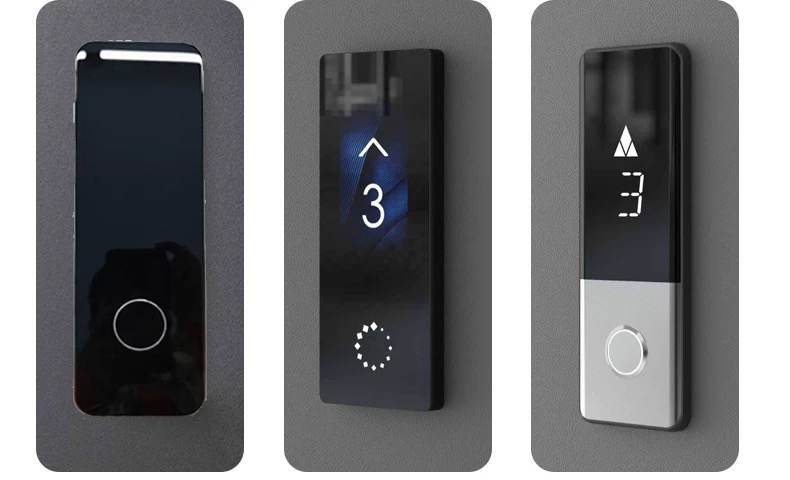
3 different kinds of elevator control panel.

Choosing the Right Lift for Your Home

When deciding between a residential attic lift, platform lift, vertical lift, or wheelchair lift, consider:

  1. Purpose – Do you need it for storage or mobility?
  2. Space – How much room do you have for installation?
  3. Budget – Prices vary based on features and capacity.

A residential attic lift is an excellent investment for homeowners seeking easier attic access. Whether you need a simple storage solution or a more advanced residential vertical lift or wheelchair lift, there’s a cheapest home elevator option to fit your needs. By improving accessibility and safety, these lifts enhance daily living while adding long-term value to your property.

If you’re considering installing a lift, consult with a professional to determine the best system for your home. With the right choice, you’ll enjoy effortless movement between floors for years to come!

  Interested in build a residential attic lift below $10k ? Contact us for a details quote !  

(We will reply you within 24 hours)

Share this

© 2017 skyliftcc. All rights reserved.

Click Me